💰 Click here to see Japan Budget Breakdown
💰 Prices updated: October, 2026. Budget figures are estimates — always verify before travel.
Exchange Rate: $1 USD = ¥157.00
Daily Budget (per person)
Shoestring: ¥8,000 – ¥15,000 ($50.96 – $95.54)
Mid-range: ¥18,000 – ¥35,000 ($114.65 – $222.93)
Comfortable: ¥45,000 – ¥80,000 ($286.62 – $509.55)
Accommodation (per night)
Hostel/guesthouse: ¥2,500 – ¥6,000 ($15.92 – $38.22)
Mid-range hotel: ¥10,000 – ¥20,000 ($63.69 – $127.39)
Food (per meal)
Budget meal: ¥800.00 ($5.10)
Mid-range meal: ¥2,500.00 ($15.92)
Upscale meal: ¥20,000.00 ($127.39)
Transport
Single metro/bus trip: ¥250.00 ($1.59)
Monthly transport pass: ¥30,000.00 ($191.08)
Kyoto in 2026 is crowded, and many travellers now want the same temples, teahouses and craft traditions without the shoulder-to-shoulder queues. Kanazawa delivers that. The city escaped wartime bombing, so its samurai lanes and geisha districts are still intact. Since the Hokuriku Shinkansen extension to Tsuruga in March 2024, getting here from Kyoto and Osaka has also become a straightforward transfer. This two-day plan covers the essentials at a walkable pace.
Day Trip or Overnight?
From Tokyo, a day trip is technically possible. The fastest Shinkansen takes about 2 hours 30 minutes each way, so you would get roughly six hours on the ground. That is enough for Kenrokuen and Omicho Market, but not for the quiet parts of the city, which are early morning and evening.
Stay at least one night. Kanazawa changes after 5 p.m., when day-trippers leave and lanterns come on along the Higashi Chaya streets. Two days lets you see the main sights without rushing. A third day makes sense if you want to add Shirakawa-go or the coast. The Noto Peninsula was badly hit by the January 2024 earthquake and is still recovering, so check current access before planning any trip there. Kanazawa city itself is open and operating normally.
Getting to Kanazawa in 2026
From Tokyo, the Kagayaki Shinkansen takes about 2 hours 30 minutes and costs roughly 14,000–15,000 JPY for a reserved seat. The slower Hakutaka service stops more often but costs the same.
From Kyoto or Osaka, you now take the Thunderbird limited express to Tsuruga, then change to the Shinkansen. The transfer is across the same platform area and the total journey is around 2 hours 15 minutes to 3 hours. Expect to pay roughly 8,000–9,000 JPY. The transfer adds a little hassle, but it is still faster than most alternatives.
Japan Rail Pass prices rose sharply in late 2023, so a pass rarely pays off for a short Kanazawa trip. Compare the individual ticket prices before buying one. Also note that the tax-free shopping system for visitors is changing in November 2026 to a refund-at-departure model. Keep your receipts if you plan to buy gold-leaf crafts or ceramics.
Getting Around Kanazawa
The main sights sit within a few kilometres of each other, and most visitors walk or take buses. The Kanazawa Loop Bus and Hokutetsu city buses cover the central area. A single ride costs 210 JPY, and a one-day pass is around 800 JPY. With six or more rides in a day, the pass saves money.
Rental bicycles are popular in spring and autumn, and the city is flat. Taxis work well after dark, when buses thin out. Kanazawa Station connects to the old town with a short bus ride, so you will not need a car at all.
Day 1: Garden, Castle, Market and Samurai Houses
Morning: Kenrokuen and Kanazawa Castle Park
Start at Kenrokuen as early as you can. It is ranked among Japan’s three great gardens, and entry costs 320 JPY. In the early light, mist hangs over Kasumigaike Pond and the pine branches are held up by rope supports (yukitsuri) in winter. The only sound is gravel under your shoes. By 10 a.m., tour groups arrive and the atmosphere changes.
Cross the bridge to Kanazawa Castle Park next. The grounds are free to walk. The reconstructed turret and storehouse buildings cost around 320 JPY to enter and show how traditional carpenters worked without nails in some joints.
Lunch and Afternoon: Omicho Market and Nagamachi
Walk or take a short bus ride to Omicho Market. This covered market has around 170 stalls selling crab, sweet shrimp (amaebi), oysters and local vegetables. Vendors call out over crates of ice, and the air smells of salt and grilled seafood. Eat a seafood rice bowl here for lunch, then wander the alleys.
In the afternoon, head to Nagamachi, the old samurai district. Earthen walls line narrow lanes, and in winter straw mats protect the walls from snow. The Nomura-ke samurai residence costs about 800 JPY and has a small garden with a koi stream, best seen from the tatami veranda with a cup of matcha.
Day 2: Teahouses, Rivers, Ninjas and Art
Morning: Higashi Chaya District
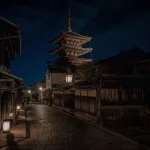
Go to Higashi Chaya before 9:30 a.m. Wooden lattice-front teahouses stand on stone-paved streets, and the area is calm before the crowds. Shima, a preserved teahouse, charges around 600 JPY and shows the layout of a geisha house, from the shamisen room to the upstairs salon. Kaikaro, a larger teahouse, costs around 750 JPY and serves tea with sweets.
Kanazawa is famous for gold leaf, and the city produces most of Japan’s supply. Try a gold-leaf soft-serve ice cream. It costs around 900–1,000 JPY and feels slightly indulgent, but the shimmering golden coat is part of the experience.
Midday: River Districts and Myoryuji
Walk the Asanogawa riverbank and then cross to Kazuemachi, a quieter geisha district, for a gentle stroll. Then visit Myoryuji, known as the Ninja Temple. It was built with hidden stairways, trapdoors and secret rooms, and the guided tour (about 1,500 JPY) is essential. Reservations are required and fill up quickly in peak seasons, so book ahead. Tours are in Japanese with English guidance sheets, and some English-language tours may be available.
Afternoon: 21st Century Museum
Finish at the 21st Century Museum of Contemporary Art. The building is a round glass structure, and the free areas are open to everyone. The famous “Swimming Pool” installation by Leandro Erlich is a short extra ticket (around 800 JPY). You can stand at the bottom of what looks like a pool of water while visitors look down from above. It is a good break from temples and tatami.
Where to Eat in Kanazawa
- Omicho Market stalls: Seafood rice bowls (kaisendon) run about 2,000–3,500 JPY. Go before noon to avoid queues.
- Kanazawa curry: Thick, dark, and served with a pork cutlet and shredded cabbage. A local chain called Champion Curry offers a plate for around 1,000 JPY.
- Jibuni: A local duck stew with wheat gluten and a soy-sweet broth. Look for it at traditional restaurants for about 1,800–2,500 JPY.
- Conveyor-belt sushi: Kanazawa’s sushi is among the best in Japan because of the nearby Sea of Japan. Plates start around 150–400 JPY each at stations and shopping malls.
- Wagashi and tea: Many Higashi Chaya shops sell seasonal sweets for 400–800 JPY.
2026 Budget Reality
Kanazawa is cheaper than Kyoto but has become busier and more expensive since 2024. Here are daily estimates per person, excluding transport to the city:
- Budget: 9,000–13,000 JPY per day. A hostel or basic business hotel (5,000–8,000 JPY per night), market snacks, curry, and a bus pass.
- Mid-range: 20,000–30,000 JPY per day. A good three-star hotel (12,000–20,000 JPY per night), sit-down dinners, and a few paid admissions.
- Comfortable: 45,000+ JPY per day. A ryokan or luxury hotel (30,000+ JPY per night), kaiseki dinner, taxis, and craft shopping.
Many small restaurants and market stalls still prefer cash, though card and IC payments are more common than a few years ago. Carry at least 10,000 JPY in small notes.
Practical Tips for Seasons and Crowds
Spring (late March to April) brings cherry blossoms to Kenrokuen and the castle moat. Autumn (November) brings red maples. Both seasons are busy, so book hotels at least two months ahead. Winter is quiet, cold (often 0–5°C), and beautiful with snow. Pack waterproof shoes, because rain falls often year-round, which locals joke about with the phrase “forget your lunch, but don’t forget your umbrella.”
Most museums close on Mondays or the day after a holiday, and some teahouses close irregularly. Check opening days before building your schedule. Keep the Nagamachi walk for afternoons, when the light on the earthen walls is warmest.
Frequently Asked Questions
Is two days enough for Kanazawa?
Yes. Two days covers Kenrokuen, the castle, Omicho Market, Nagamachi, Higashi Chaya, Myoryuji and the contemporary art museum at a relaxed pace. Add a third day only if you want to visit Shirakawa-go or explore nearby coastal areas.
How much does Kenrokuen cost in 2026?
General admission to Kenrokuen is 320 JPY for adults. Seasonal early-morning hours may offer free entry before the regular opening time, but the schedule changes, so check the official website before your visit to confirm current dates and times.
Is Kanazawa better than Kyoto?
They offer different experiences. Kyoto has more temples and scale, while Kanazawa is smaller, calmer and easier to cover in two days. Many travellers visit both. Kanazawa suits those who want traditional streets, crafts and food with fewer crowds.
How do I get from Tokyo to Kanazawa?
Take the Hokuriku Shinkansen from Tokyo Station. The Kagayaki service takes about 2 hours 30 minutes and costs roughly 14,000–15,000 JPY for a reserved seat. Trains run frequently throughout the day, and no transfer is needed.
When is the best time to visit Kanazawa?
Late March to April for cherry blossoms and November for autumn colour are the most scenic periods, but both are crowded. Winter offers snow-covered gardens and lower hotel prices. Summer is warm and humid, with fewer visitors outside holiday weeks.
📷 Featured image by Ryusei Machida on Unsplash.