On this page
- Why Japan Works for Remote Workers, and Where It Doesn’t
- The Designated Activities Digital Nomad Visa
- Working on a Tourist Stay: The Grey Zone
- Longer-Term Routes Beyond Six Months
- Tax Residency and the 183-Day Rule
- Health Insurance: Private Cover or National Health Insurance
- Housing Logistics and Rent by City
- 2026 Monthly Budget Reality
- Admin Essentials: SIM, Banking, and Payments
- Who Japan Suits, and Who Should Choose Elsewhere
- Frequently Asked Questions
Search “Japan Digital nomad” in 2026 and you will find a mess of outdated advice. Some posts say Japan has no nomad visa. Others say you can work on a tourist stamp with no problem. Both are wrong or misleading. Japan now has a real remote-work visa, but it has a high income bar and strict limits, and the tax and insurance rules are not what most people expect. This guide covers the logistics so you can decide whether Japan fits a stay of one to twelve months.
Why Japan Works for Remote Workers, and Where It Doesn’t
Japan’s strengths are practical ones. The country is very safe, trains run on time, and fast fibre and mobile networks cover cities and most towns. Your laptop bag will not be a worry on a late train home. Convenience stores sell decent breakfast, printing, and parcel shipping at any hour. A 7 a.m. call is easier when a hot onigiri and canned coffee are two minutes away.
Time zones are the biggest daily factor. Japan is UTC+9 with no daylight saving. That fits teams in Asia and Australia well. For Europe, you will often take calls late at night. For US teams, you will be on calls either very early or very late. Many nomads in Japan shift their working hours instead of fighting the clock.
The downsides are real. Daily life is cash-friendly and paperwork-heavy, English support varies, and renting long-term as a short-stay foreigner is hard. Summer from July to September is hot and humid, often above 33°C in cities. Japan rewards people who plan their stay in advance, not those who arrive and improvise.
The Designated Activities Digital Nomad Visa
Japan launched its digital nomad visa in March 2024 under the Designated Activities category. In 2026 the main rules remain the same:
- Income: at least ¥10,000,000 per year, shown by tax records, contracts, or bank statements.
- Employment: you must work remotely for a company or clients outside Japan.
- Insurance: private medical insurance covering at least ¥10,000,000 for injury and illness, valid for your whole stay.
- Nationality: you must hold a passport from one of around 49 countries and regions that have a tax or visa arrangement with Japan. This includes the US, UK, Canada, Australia, most of the EU, Singapore, and South Korea.
- Length: up to six months. It cannot be extended, and you must wait before applying again. Check the current re-entry rule with your consulate.
- Family: a spouse and children can come with you on a dependent status.

You apply at a Japanese embassy or consulate in your home country, not inside Japan. Processing times vary by office, but plan for a few weeks and apply at least two months before you want to travel. Expect to submit a passport, application form, photo, income proof, work proof, and insurance certificate. Some consulates ask for extra documents, so read the local checklist first.
The visa’s big advantage is clarity. It explicitly allows remote work for foreign clients, which no tourist status does. The trade-off is the ¥10 million threshold, which rules out many freelancers.
Working on a Tourist Stay: The Grey Zone
Citizens of many countries can enter Japan visa-free for 90 days, and some for 30 days. This is a “Temporary Visitor” status. It does not give you permission to earn money in Japan. Checking email or finishing a small task for your home employer is widely tolerated. Running a full-time remote job for 90 days is a grey area that Japan’s law does not clearly address.
Two things matter here. First, never take Japanese clients or paid local gigs on a tourist stay. That is illegal work, and it can lead to deportation and future entry bans. Second, repeated back-to-back visits can draw questions at immigration. Leaving for a weekend in Seoul and returning for another 90 days is a pattern officers notice. If you plan more than three months total, the digital nomad visa is the safer option if you qualify.
If you stay on tourist status, keep your own paperwork: return ticket, proof of funds, and a short explanation of why you are visiting. Be honest if an officer asks what you do for a living.
Longer-Term Routes Beyond Six Months
If you want to stay up to a year or longer, the nomad visa does not cover you. These are the realistic options:
- Employer-sponsored work visa: a Japanese company sponsors you, usually under Engineer/Specialist in Humanities/International Services. You normally need a degree or ten years of experience in your field.
- Working Holiday visa: for ages 18 to 30 (up to 25 or 30 depending on nationality) from partner countries. It allows part-time work and stays of up to one year.
- Startup or business routes: Japan offers a startup visa through some municipalities and a Business Manager visa for company founders. These need a real business plan and, for the Business Manager visa, significant capital and an office.
- Highly Skilled Professional: a points-based system that rewards degrees, income, and experience.

Each of these puts you into the Japanese system, with local tax and insurance. That is a different decision from a six-month remote stay.
Tax Residency and the 183-Day Rule
People often say “stay under 183 days and you won’t pay tax in Japan.” That is only partly true. The 183-day figure comes from tax treaties, which use it to decide whether short-term work is taxed in the country where it is performed. Japan’s domestic law has its own test: you are a resident if Japan is your domicile or you have lived here for one year or more. Non-residents are taxed only on Japan-source income.
For a six-month digital nomad visa holder paid by a foreign employer, this usually means you are a non-resident for Japanese tax. But two other issues matter:
- Your home country: US citizens are taxed on worldwide income wherever they live. Other countries have their own rules on tax residency, and leaving for six months may not end yours.
- Permanent establishment risk: if you run a company and operate from Japan, local tax authorities could argue your business has a taxable presence.
If you stay longer than a year, Japanese resident tax and income tax apply, with rates from 5% to 45% plus a local resident tax of about 10%. Speak to a cross-border tax adviser before you go, not after.
Health Insurance: Private Cover or National Health Insurance
On the digital nomad visa you must carry private insurance. Make sure it meets the ¥10 million requirement and covers Japan explicitly. Budget roughly ¥10,000 to ¥25,000 per month for an international nomad plan, depending on age and deductible. Ask whether it pays hospitals directly, because many Japanese clinics ask for payment upfront.
If you hold a residence card and stay longer than three months under a different status, you must usually join National Health Insurance (NHI) or your employer’s plan. NHI premiums depend on the previous year’s income and your municipality. For a middle-income earner, expect around ¥15,000 to ¥30,000 per month, and more for high earners. NHI pays 70% of costs, and you cover the remaining 30%. Dental care and prescriptions follow the same rule.

Japan’s clinics are good and affordable for the quality, but appointments and forms are easier in English only in big cities. Keep your policy documents and passport copy on your phone.
Housing Logistics and Rent by City
A standard Japanese lease is built for residents who stay for years. You often need a guarantor, a residence card, a Japanese phone number, and upfront costs like deposit, key money, and agent fees that can equal four to six months of rent. For a stay of one to six months, this makes no sense. Look instead at furnished monthly apartments, which require no key money and often include utilities and Wi-Fi.
Typical 2026 monthly rents for a furnished studio or small one-bedroom:
- Tokyo: ¥110,000 to ¥200,000. Central wards cost the most, and the outer lines are cheaper.
- Osaka: ¥75,000 to ¥140,000.
- Kyoto: ¥80,000 to ¥150,000, with higher prices in tourist seasons. Kyoto’s accommodation tax also rose in 2026 for higher-priced rooms, so check your total if you book hotels.
- Fukuoka: ¥65,000 to ¥110,000.
Apartments are small. A 20 to 25 square metre unit is normal, and the sound of a neighbour’s washing machine through thin walls is part of life. Sit on the tatami floor of a quiet rental in the evening and you will hear the distant rumble of the last train, which many nomads end up liking.
2026 Monthly Budget Reality
The yen is still weaker than it was before 2022, which helps visitors with foreign income, but prices for rent, eating out, and hotels have risen since 2024. These are realistic monthly totals for one person in a major city, excluding flights and your visa-related insurance:
Budget: ¥200,000 to ¥270,000
- Rent in Fukuoka or Osaka: ¥65,000 to ¥90,000
- Food (supermarkets, set-meal restaurants): ¥45,000 to ¥60,000
- Transport: ¥8,000 to ¥15,000
- Phone and eSIM: ¥3,000 to ¥5,000
- Utilities and extras: ¥10,000 to ¥20,000

Mid-range: ¥300,000 to ¥430,000
- Rent in Osaka, Kyoto, or outer Tokyo: ¥100,000 to ¥150,000
- Food (mix of cooking and restaurants): ¥70,000 to ¥100,000
- Transport: ¥15,000 to ¥25,000
- Insurance, phone, and misc: ¥30,000 to ¥60,000
- Weekend trips: ¥30,000 to ¥60,000
Comfortable: ¥480,000 and above
- Rent in central Tokyo: ¥170,000 to ¥250,000
- Dining out most days: ¥120,000 to ¥160,000
- Taxis, trips, and activities: ¥60,000 to ¥100,000
- Insurance and services: ¥30,000 to ¥50,000
Note that a ¥10 million annual income, the visa threshold, is about ¥830,000 per month before tax. That gives most visa holders room to live at the comfortable level. For comparison, Japan is cheaper than Singapore or London for rent, and similar to or slightly above Bangkok or Lisbon once you count food and transport at a mid-range level.
Admin Essentials: SIM, Banking, and Payments
Short-stay nomads should not try to open a Japanese bank account or sign a phone contract. Most banks require a residence card and several months of stay, and many refuse short-term visa holders. Use these workarounds instead:
- Mobile data: a 30-day eSIM with unlimited or large data costs about ¥3,000 to ¥6,000. Alternatively, rent a pocket Wi-Fi device for ¥4,000 to ¥8,000 per month.
- Money: carry a foreign card with no foreign transaction fees and use 7-Eleven or post office ATMs for cash. Many small restaurants, clinics, and shrines still prefer cash.
- Payments: an IC card such as Suica on your phone covers trains, vending machines, and convenience stores.
- Tax refunds: Japan is changing its tourist tax-free shopping system to a refund-based model around November 2026. This affects short-stay tourists more than visa holders, but check rules before buying electronics.
Also check your country’s current departure tax or tourist levy changes. Japan has announced a rise in its departure tax in 2026, so confirm the figure when you buy your ticket.
Who Japan Suits, and Who Should Choose Elsewhere
Japan is a strong fit if you earn above ¥10 million, can handle early or late calls, like structure and cleanliness, and want to explore regions on weekends. The Shinkansen network, including the Hokuriku extension to Tsuruga that opened in 2024, makes short trips easy from Tokyo, Osaka, and Kyoto. A 7-day Japan Rail Pass costs ¥50,000 since the 2023 price rise, so most nomads use individual tickets or regional passes instead.
It is a weaker fit for people on a lower income, who cannot qualify for the visa and would need to rely on tourist status. It is also hard for those who need cheap long-term flexibility, which places like Thailand or Vietnam offer more easily. And if you work US business hours, the nights will be long.
Frequently Asked Questions
Does Japan have a digital nomad visa in 2026?
Yes. Launched in March 2024 under Designated Activities, it allows stays of up to six months. You need at least ¥10 million in annual income, private health insurance covering ¥10 million, and a passport from an eligible country. It cannot be extended, and you apply through a Japanese embassy or consulate.
Can I work remotely in Japan on a tourist visa?
Tourist status does not authorise work. Light tasks for an overseas employer are often tolerated but remain a legal grey area. Never work for Japanese clients. If you plan to work full-time for more than a few weeks, the digital nomad visa is the safer and more honest option.
How much does it cost to live in Japan as a digital nomad?
Expect ¥200,000 to ¥270,000 per month on a budget, ¥300,000 to ¥430,000 mid-range, and ¥480,000 or more for a comfortable life in Tokyo. Rent is the biggest cost. These figures exclude flights, visa fees, and your insurance premiums, so add those to your total.
Will I pay Japanese tax on a six-month stay?
Usually not, if you are paid by a foreign employer and remain a non-resident. Japan counts you as resident after one year, and treaties use the 183-day rule differently. Your home country may still tax you. Speak with a cross-border adviser, especially if you are a US citizen or run a company.
Do I need health insurance for the digital nomad visa?
Yes. You must hold private insurance covering at least ¥10 million for injury and illness for the full stay. Premiums often run ¥10,000 to ¥25,000 per month. You generally cannot rely on National Health Insurance for this visa, so confirm that your policy covers Japan and accepts remote workers.
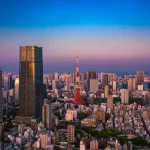
📷 Featured image by Tom Podmore on Unsplash.