On this page
💰 Click here to see Japan Budget Breakdown
💰 Prices updated: October, 2026. Budget figures are estimates — always verify before travel.
Exchange Rate: $1 USD = ¥157.00
Daily Budget (per person)
Shoestring: ¥8,000 – ¥15,000 ($50.96 – $95.54)
Mid-range: ¥18,000 – ¥35,000 ($114.65 – $222.93)
Comfortable: ¥45,000 – ¥80,000 ($286.62 – $509.55)
Accommodation (per night)
Hostel/guesthouse: ¥2,500 – ¥6,000 ($15.92 – $38.22)
Mid-range hotel: ¥10,000 – ¥20,000 ($63.69 – $127.39)
Food (per meal)
Budget meal: ¥800.00 ($5.10)
Mid-range meal: ¥2,500.00 ($15.92)
Upscale meal: ¥20,000.00 ($127.39)
Transport
Single metro/bus trip: ¥250.00 ($1.59)
Monthly transport pass: ¥30,000.00 ($191.08)
Tokyo, Kyoto and Osaka are more crowded and more expensive in 2026 than ever, and many travellers are tired of queuing for everything. Fukuoka offers a different option. It is a big, modern city on Kyushu’s north coast with an airport minutes from downtown, a famous street-food culture and far fewer tour groups. So is it worth your time? For most travellers, yes.
Yes, Fukuoka Is Worth It: Who Gets the Most Out of It
Fukuoka is a city of about 1.6 million people that feels more relaxed than its size suggests. It sits between the sea and low green hills, and the centre is small enough to cover on foot and by subway. The city has been a trading port with Korea and China for centuries, which gives it an open, friendly attitude you notice in the shops and bars.
It suits food-focused travellers, second-time visitors to Japan and anyone who wants a city break without a packed checklist. If your dream is old temples and wooden machiya streets, Kyoto serves you better. If you want great meals, easy logistics and a base for exploring Kyushu, Fukuoka is hard to beat.
The Food Scene: Where to Eat
Food is the main reason to come. Fukuoka’s open-air yatai stalls are the best-known experience. In the evening, small carts set up along the Naka River in Nakasu and in parts of Tenjin and Nagahama. You squeeze onto a bench beside strangers while charcoal smoke and the smell of grilled skewers drift over the water. The cook hands you a bowl of tonkotsu ramen whose pork-bone broth is thick enough to coat the spoon.
Beyond the stalls, these are the dishes to prioritise:
- Hakata ramen: thin, firm noodles in creamy pork broth. Order kaedama (an extra portion of noodles) for about ¥150–200. Shops around Nagahama and Hakata Station are the classic choices.
- Motsunabe: a beef-offal hot pot with garlic, chives and cabbage. It is richer and milder than it sounds, and it is a local winter favourite.
- Mentaiko: spicy marinated pollock roe, served on rice, in omelettes or in pasta. Fukuoka is where it became a national staple.
- Mizutaki: chicken simmered in a clear broth, often eaten in a quiet restaurant. It is a gentler change from ramen.
- Hakata udon: very soft, chewy-in-a-different-way noodles in a light, sweet broth. Try it for lunch.
What to See Beyond the Food
Fukuoka’s sights are low-key, and that is part of the appeal. You can fit the best of them into two relaxed days.
Ohori Park and Fukuoka Castle Ruins
Ohori Park wraps around a large pond, with a 2-kilometre path that locals use for jogging and evening walks. Beside it, the stone walls of Fukuoka Castle (Maizuru Park) give you a hilltop view across the city. Spring brings cherry blossoms, and early morning is quiet.
Kushida Shrine and Tochoji Temple
Kushida Shrine is the heart of Hakata’s old merchant district and home to the giant floats of the July Yamakasa festival. Nearby, Tochoji Temple holds one of Japan’s largest seated wooden Buddha statues. Both are a short walk from each other and from Canal City.
The Waterfront
Momochi Seaside Park and the Fukuoka Tower give you a sea view, and Nokonoshima Island, reached by a short ferry ride from Meinohama, is covered in flower fields. The island is a good half-day escape without leaving the city’s transit network.
Getting There and Getting Around
Fukuoka Airport is one of the most convenient in Japan. The subway reaches Hakata Station in about 5 minutes for ¥260, and Tenjin, the main shopping area, in about 11 minutes. Flights from Tokyo take around 2 hours, and Fukuoka has direct international connections across Asia, which makes it an easy entry point to Japan.
By train, the Sanyo-Kyushu Shinkansen runs from Osaka to Hakata in about 2.5 hours and from Tokyo in about 5 hours. A Tokyo–Hakata Nozomi ticket is roughly ¥23,000, so flying is often cheaper and faster for that route.
Once in the city, the subway, buses and your own feet do the job. Hakata and Tenjin are about 2 kilometres apart. An IC card (Suica, ICOCA or the local Hayakaken) works on all of it.
What Has Changed Since 2024
- Airport capacity: Fukuoka Airport’s second runway entered service in March 2025, which has helped with flight reliability and adds room for more routes.
- Subway: The Nanakuma Line extension to Hakata Station, opened in 2023, makes it simpler to travel between Hakata Station and the western side of the city.
- Tenjin redevelopment: The “Tenjin Big Bang” project continues to replace older buildings with new towers, so some areas near Tenjin may be under construction.
- Tourist taxes: Japan’s departure tax is scheduled to rise from ¥1,000 to ¥3,000 in July 2026, and the tax-free shopping system is being changed to a refund-at-departure model later in 2026. Check the latest rules before you go, because you may have to pay tax at the till and claim it back.
- Rail passes: JR Pass prices rose sharply in late 2023, so a national pass rarely pays off for a trip centred on Fukuoka. Compare individual tickets or a regional Kyushu pass first.
Day Trip or Overnight? Planning Your Time
Fukuoka itself deserves two to three nights. That gives you time for the food, the main sights and an evening at the yatai without rushing. Coming as a day trip from Tokyo or Osaka does not work well, because you would spend most of the day in transit and miss the evening food scene.
As a base, however, Fukuoka is excellent for side trips:
- Dazaifu (half day): About 30–40 minutes by Nishitetsu train from Tenjin, around ¥420. Dazaifu Tenmangu is a shrine dedicated to the god of learning, with plum trees and a street of grilled mochi stalls.
- Yanagawa (half day): A canal town where flat-bottomed boats glide under willow trees. The local speciality is eel steamed over rice.
- Kumamoto (full day): About 35–45 minutes by Shinkansen, with its restored castle and Mount Aso nearby.
- Nagasaki (full day): A little over 2 hours by train, with a rich history and hillside views.
If you have a week or more, add Beppu and Yufuin for hot springs. Fukuoka works well as the starting or ending point of a Kyushu loop.
2026 Budget Reality
Fukuoka is still cheaper than Tokyo, though prices have risen since 2024 as demand and hotel rates have increased. These are daily estimates per person, excluding flights:
- Budget (about ¥8,000–12,000 per day): a capsule hotel or hostel bed at ¥3,500–6,000, ramen at ¥900–1,200, a convenience-store breakfast, subway and walking, and free sights like Ohori Park.
- Mid-range (about ¥15,000–25,000 per day): a business hotel at ¥9,000–15,000 per night for a single, a yatai dinner at ¥2,500–4,000 with a drink, a motsunabe or mizutaki dinner at ¥3,000–5,000, and a Dazaifu side trip.
- Comfortable (¥35,000+ per day): a four-star hotel near Hakata or Tenjin at ¥20,000–35,000 per night, a sushi counter dinner at ¥10,000–15,000, and taxis for flexibility.
Hotel rates jump during the Yamakasa festival in early July, the Golden Week holidays and weekends with big concerts at the Fukuoka PayPay Dome. Booking early for those dates is sensible.
When Fukuoka Is Not the Right Fit
Fukuoka is not a city of famous monuments. If you are making your first trip to Japan and want the classic temples, castles and geisha districts, you will find them in Kyoto, not here. Summer is also hot and humid, with temperatures often above 33°C in July and August, and the rainy season in June can dampen the yatai experience. Spring and autumn, with temperatures around 15–25°C, are the most comfortable seasons.
Frequently Asked Questions
Is Fukuoka worth visiting for first-time visitors to Japan?
Yes, especially if you care about food and easy travel. Fukuoka is smaller and calmer than Tokyo or Osaka. If you want major historical sites, pair it with Kyoto. For a relaxed first trip, it works well on its own or as part of a Kyushu route.
How many days do you need in Fukuoka?
Two to three nights is ideal. That covers the main sights, a yatai evening, and one half-day trip to Dazaifu or Yanagawa. Add one or two more nights if you want to visit Kumamoto or Nagasaki without rushing, as both are easy to reach from Fukuoka.
Is Fukuoka expensive compared with Tokyo and Osaka?
Fukuoka is generally somewhat cheaper, particularly for hotels and meals. A bowl of ramen is around ¥900–1,200, and business hotels cost roughly ¥9,000–15,000 per night in 2026. Prices rise during major festivals and holidays, so book early for those dates.
How far is Fukuoka Airport from the city centre?
Very close. The subway takes about 5 minutes to Hakata Station for ¥260 and about 11 minutes to Tenjin. This is one of the shortest airport-to-city journeys in Japan, so you can reach your hotel quickly even after a late arrival.
What is the best time of year to visit Fukuoka?
March to May and October to November are best, with mild weather of about 15–25°C and comfortable evenings at the yatai. Early July brings the Yamakasa festival, which is exciting but busy. Summer is hot and humid, and the June rainy season can be wet.
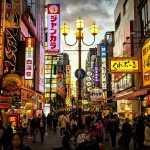
📷 Featured image by YANGHONG YU on Unsplash.