On this page
- Getting There: Trains, Timing, and What Changed in 2026
- The Canal District: What to Actually Do (Not Just Photograph)
- Otaru’s Glasswork and Music Box Culture — Where to Shop Without Getting Ripped Off
- Where to Eat in Otaru: Sushi, Seafood, and the Market Scene
- Sakaimachi Street vs. The Backstreets: Which Otaru Should You Explore?
- 2026 Budget Reality: What a Day Trip from Sapporo Actually Costs
- Timing Your Visit: Crowds, Seasons, and the Snow Light Path Festival
- Frequently Asked Questions
💰 Click here to see Japan Budget Breakdown
💰 Prices updated: October, 2026. Budget figures are estimates — always verify before travel.
Exchange Rate: $1 USD = ¥157.00
Daily Budget (per person)
Shoestring: ¥8,000 – ¥15,000 ($50.96 – $95.54)
Mid-range: ¥18,000 – ¥35,000 ($114.65 – $222.93)
Comfortable: ¥45,000 – ¥80,000 ($286.62 – $509.55)
Accommodation (per night)
Hostel/guesthouse: ¥2,500 – ¥6,000 ($15.92 – $38.22)
Mid-range hotel: ¥10,000 – ¥20,000 ($63.69 – $127.39)
Food (per meal)
Budget meal: ¥800.00 ($5.10)
Mid-range meal: ¥2,500.00 ($15.92)
Upscale meal: ¥20,000.00 ($127.39)
Transport
Single metro/bus trip: ¥250.00 ($1.59)
Monthly transport pass: ¥30,000.00 ($191.08)
Otaru keeps showing up on every Hokkaido itinerary — and in 2026, it’s getting busier than ever. With international arrivals into New Chitose Airport hitting record numbers and Sapporo’s streets increasingly packed, more visitors are making the 40-minute train ride west looking for breathing room and charm. The honest answer to whether Otaru deserves your day: yes, but only if you go in knowing what it actually is — a compact, walkable port town with great food, atmospheric streets, and a hard limit on how long you need to stay.
Getting There: Trains, Timing, and What Changed in 2026
The fastest way from Sapporo to Otaru is the JR Hakodate Main Line rapid train from Sapporo Station. The journey takes around 32–40 minutes depending on whether you catch a rapid or local service, and trains run frequently throughout the day — roughly every 15–20 minutes during peak hours. The one-way fare is ¥750. A Japan Rail Pass covers this route, and as of 2026, the revised JR Pass pricing makes short regional hops like this one of the few genuinely cost-effective uses of the pass for Hokkaido-based itineraries.
You arrive at Otaru Station, and from there the canal is a flat 10-minute walk downhill. There’s no need for buses or taxis unless you’re heading to the Otaru Aquarium (about 3 kilometres north of the station). Most of the town worth seeing sits in a walkable triangle between the station, the canal, and Sakaimachi Street.
The Canal District: What to Actually Do (Not Just Photograph)
The Otaru Canal is real infrastructure — a working-era shipping canal built in the 1920s when Otaru was Hokkaido’s busiest port. The stone warehouses lining it are now mostly restaurants, craft shops, and event spaces, but the bones of the original port town are still there if you look past the tourist polish.
Rather than just snapping photos from the main bridge and moving on, walk the full length of the canal from the North Canal area (Kitaun Canal) down to the southern end near the old Temiya Line tracks. The north section is quieter, less photographed, and gives you a cleaner sense of the original warehouse architecture without souvenir shops in every frame. You can smell the salt air coming off Ishikari Bay, and on cold mornings, steam rises off the canal surface in slow curling waves that make the whole scene feel slightly unreal.

If you want structured history, the Otaru City General Museum’s main branch sits right at the old Temiya station — it’s small, inexpensive (¥400 entry), and covers the railway and canal history clearly without being overwhelming. Allow 45 minutes.
Otaru’s Glasswork and Music Box Culture — Where to Shop Without Getting Ripped Off
Otaru built a reputation for two specific crafts: hand-blown glass and music boxes. Both are genuinely local traditions — glasswork developed here because the town needed fishing floats and oil lamps, and that skilled workforce later pivoted to decorative goods. Music box manufacturing arrived in the Meiji era and stuck.
The problem is that Sakaimachi Street now has a flood of cheap imported versions mixed in with the real thing. Here’s how to tell the difference:
- Kitaichi Glass (No. 3 Warehouse complex) is the anchor tenant and worth visiting — they do on-site glassblowing and the pieces are genuinely made locally. Prices start around ¥2,000 for small items and climb steeply. Budget ¥8,000–¥20,000 for anything you’d actually keep long-term.
- Otaru Orgel Dou is the most serious music box shop in town. The basement has antique music boxes you can hear played — it’s free to browse and worth 20 minutes even if you’re not buying. Custom music box orders start around ¥5,000.
- Anything under ¥800 with no maker’s label is almost certainly imported. It may still be pretty — just don’t think you’re buying Otaru craft.
Where to Eat in Otaru: Sushi, Seafood, and the Market Scene
Otaru’s sushi reputation is legitimate. The town sits adjacent to some of Hokkaido’s richest fishing grounds, and the sushi here — particularly uni (sea urchin), ikura (salmon roe), and fresh crab — is a genuine step above what you’ll find in central Sapporo at similar price points.
The highest concentration of sushi restaurants is on Hanazono Street and the area just south of the station. Sushi Zenibako and Sushiya Otaru Honten are both reliable and popular — expect queues of 20–40 minutes on weekends. Omakase lunch sets run ¥3,500–¥6,000. For a faster, cheaper option, the standing sushi bars (kaiten or tachigui-style) near the market charge ¥200–¥400 per piece with no wait culture pressure.
The Sankaku Market (三角市場), a covered market a 2-minute walk from Otaru Station, is small but focused. About a dozen stalls sell fresh crab, uni, salmon, and scallops. You can buy a crab, have it cooked immediately, and eat it at a counter stool. A medium-sized hairy crab (kegani) runs about ¥3,500–¥6,000 depending on season and size. The market opens around 7:00 and winds down by mid-afternoon — another reason to take an early train.

Sakaimachi Street vs. The Backstreets: Which Otaru Should You Explore?
Sakaimachi Street is Otaru’s main tourist spine — pretty, well-preserved Meiji-era merchant buildings, glass shops, soft cream stands, and enough foot traffic on weekends to make you feel like you’re at a theme park. It’s worth walking once. The buildings are genuinely old and the streetscape has real character, especially in the morning before it fills up.
But the Otaru that most visitors miss is two or three blocks east of Sakaimachi — residential streets climbing the hillside behind the town, old wooden machiya-style houses, small local temples, and neighbourhood coffee shops that have zero interest in tourists. If you’ve finished the canal and the market by noon, this is where the afternoon pays off.
Walk up toward Ironai (色内) district — the old banking quarter from Otaru’s financial heyday. Several Meiji-era stone bank buildings still stand, some repurposed as restaurants or event spaces, and the area is almost empty compared to the canal. It tells a more complex story about what this town was before it became a day-trip destination.
2026 Budget Reality: What a Day Trip from Sapporo Actually Costs
Here’s what a realistic day in Otaru costs in 2026, with the yen still offering reasonable value for travellers holding USD, EUR, or AUD:
- Budget day (¥5,000–¥8,000): Return train fare (¥1,500), market crab or standing sushi lunch (¥1,500–¥2,500), one or two small glass items or snacks (¥1,000–¥2,000), museum entry (¥400), soft cream or coffee (¥500–¥700).
- Mid-range day (¥10,000–¥16,000): Return train, sit-down omakase sushi lunch (¥3,500–¥6,000), a quality glass piece or music box (¥5,000–¥8,000), canal warehouse restaurant dinner before returning (¥3,000–¥4,000).
- Comfortable day (¥20,000+): Return train, kaiseki-style seafood lunch, custom glass or music box order, sake tasting at one of the local breweries along the canal, evening meal before the 20:00 train back.
Note that accommodation is not necessary — Otaru is genuinely a one-day town for most travellers. If you’re considering staying overnight, do it during the Snow Light Path Festival when the evening atmosphere justifies the cost.
Timing Your Visit: Crowds, Seasons, and the Snow Light Path Festival
Otaru works in every season, but the experience changes substantially. Summer (July–August) brings the clearest weather and the most tourists — the canal district can feel genuinely crowded between 11:00 and 15:00. Autumn (October–early November) offers cooler air, fewer people, and the canal’s surroundings starting to turn gold. It’s arguably the best time to visit if crowds bother you.

Winter is when Otaru earns its reputation. Snow covers the stone warehouses and canal banks, and during the Otaru Snow Light Path Festival (小樽雪あかりの路), held over ten days in early February each year, the canal is lined with hundreds of small wax candle lanterns set into snow sculptures along the bank. The amber glow reflecting off the snow and dark water is the kind of image that stays with you. 2026’s festival runs in early February — check the Otaru Tourism Association for exact dates as they vary slightly year to year. Evening trains back to Sapporo run late during festival nights, but they fill up — go early and return by 21:00 at the latest to avoid standees.
Spring (late April–May) after the snow melts but before summer tourism peaks is a quiet window that locals appreciate. The light is soft, the crowds are thin, and the market crabs are still excellent.
Frequently Asked Questions
How long do you actually need in Otaru?
Most travellers are well-served by 5–7 hours. Take an early train, hit the market for breakfast or lunch, walk the canal and Sakaimachi Street, explore the backstreets, and catch a mid-afternoon or early-evening train back to Sapporo. Staying a full day beyond that tends to mean covering the same ground twice.
Is Otaru better than Sapporo for seafood?
For fresh sushi and crab specifically, yes — Otaru’s proximity to the fishing grounds and its concentration of small, specialist sushi restaurants gives it an edge at comparable price points. Sapporo has more variety overall, but Otaru wins on raw fish quality and atmosphere around the meal.
Can you visit Otaru without a Japan Rail Pass?
Absolutely. The return fare from Sapporo is ¥1,500 total — one of the cheapest significant side trips in Hokkaido. Unless your itinerary includes multiple long-distance JR routes, buying individual tickets for Otaru makes more financial sense than using a pass day on this short hop.
Is Otaru accessible for travellers with mobility limitations?
The main tourist areas — canal, Sakaimachi Street, the market near the station — are flat and paved. Otaru Station has elevator access. The hillside backstreets involve some incline and uneven stone paths. A focused visit sticking to the lower town is very manageable with a wheelchair or limited mobility.
What’s the best way to combine Otaru with another Hokkaido destination?
Otaru pairs naturally with Niseko (about 90 minutes by train or bus) or Shakotan Peninsula in summer for coastal scenery. Doing Otaru in the morning and arriving in Niseko by afternoon works well as a transit day rather than treating either place as a rushed stop. In winter, pair Otaru’s festival with a Sapporo Snow Festival visit — both run in February.
Explore more
The Ultimate Hokkaido Food Guide: Where to Eat & What to Try
Experience Hokkaido: Top Things To Do In Japan’s Untamed North
When is the Best Time to Visit Hokkaido?
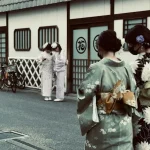
📷 Featured image by Asmut Dante on Unsplash.