On this page
- Spring in Kamakura: Cherry Blossoms and the First Crowds of the Year
- Spring in Kamakura: Cherry Blossoms and the Right Windows to Visit
- Summer and the Rainy Season: Hydrangeas, Heat, and Yuigahama Beach
- Autumn Foliage: Temples in Red and Orange
- Winter Calm: New Year Rituals and Empty Trails
- Kamakura’s Major Festivals and Annual Events
- Day Trip or Overnight?
- 2026 Budget Reality: What Each Season Costs
- Frequently Asked Questions
💰 Click here to see Japan Budget Breakdown
💰 Prices updated: October, 2026. Budget figures are estimates — always verify before travel.
Exchange Rate: $1 USD = ¥157.00
Daily Budget (per person)
Shoestring: ¥8,000 – ¥15,000 ($50.96 – $95.54)
Mid-range: ¥18,000 – ¥35,000 ($114.65 – $222.93)
Comfortable: ¥45,000 – ¥80,000 ($286.62 – $509.55)
Accommodation (per night)
Hostel/guesthouse: ¥2,500 – ¥6,000 ($15.92 – $38.22)
Mid-range hotel: ¥10,000 – ¥20,000 ($63.69 – $127.39)
Food (per meal)
Budget meal: ¥800.00 ($5.10)
Mid-range meal: ¥2,500.00 ($15.92)
Upscale meal: ¥20,000.00 ($127.39)
Transport
Single metro/bus trip: ¥250.00 ($1.59)
Monthly transport pass: ¥30,000.00 ($191.08)
Spring in Kamakura: Cherry Blossoms and the First Crowds of the Year
Kamakura sits just an hour south of Tokyo by train, which sounds convenient until you arrive on a golden week weekend in 2026 and find yourself shoulder-to-shoulder on the path to Tsurugaoka Hachimangū. The crowds are real, and they’re getting bigger each year. Knowing exactly when to come — and when to stay home — is the difference between a memorable trip and a stressful one. This guide lays it out season by season, with the festivals and practical details that most articles skip over.
Spring in Kamakura: Cherry Blossoms and the Right Windows to Visit
Late March to early April is Kamakura’s most photogenic window. The dankazura — the long stone-paved approach leading to Tsurugaoka Hachimangū — is lined with cherry trees on both sides, and when they’re in full bloom, the pale pink canopy arching over the path is genuinely stunning. The faint floral scent in the cool morning air, mixed with incense drifting from the shrine gates, is one of those details you’ll remember long after the photos have faded from your phone.
The practical problem is timing. Tokyo’s cherry blossoms typically peak between late March and early April, and Kamakura follows within a few days. In 2026, warming trends have pushed peak bloom slightly earlier than historical averages — the Japan Meteorological Corporation’s forecasts are worth checking in early March. Arriving on a Tuesday or Wednesday morning before 9am gives you the dankazura nearly to yourself. By 11am on a Saturday, it’s a slow-moving queue.
Mid-April through May is underrated. The cherry blossoms are gone but the weather is mild, admission lines are shorter, and the temple gardens start showing wisteria and early greenery. Engakuji and Jōchiji in Kita-Kamakura are worth exploring at this time — the stone paths through their cedar groves are quiet and cool, even on warm afternoons.
Summer and the Rainy Season: Hydrangeas, Heat, and Yuigahama Beach
June is Kamakura’s secret. The tsuyu rainy season runs roughly from early June to mid-July, and while that sounds unappealing, it’s the best time to visit Meigetsu-in temple. Known locally as the “hydrangea temple,” its garden fills with thousands of deep blue and violet ajisai flowers that seem to glow brighter on overcast days. The diffused grey light of a rainy morning turns the garden into something that looks almost too composed to be real — petals heavy with water, the gravel paths dark and slick, not a harsh shadow in sight. Bring a small umbrella rather than a poncho, because you’ll want your hands free.
Queues at Meigetsu-in during hydrangea season can stretch 45 minutes on weekends. Arriving when gates open at 8:30am on a weekday eliminates the wait almost entirely. The entry fee is ¥500 during the regular season but rises to ¥800 during the hydrangea period — factored into the budget section below.
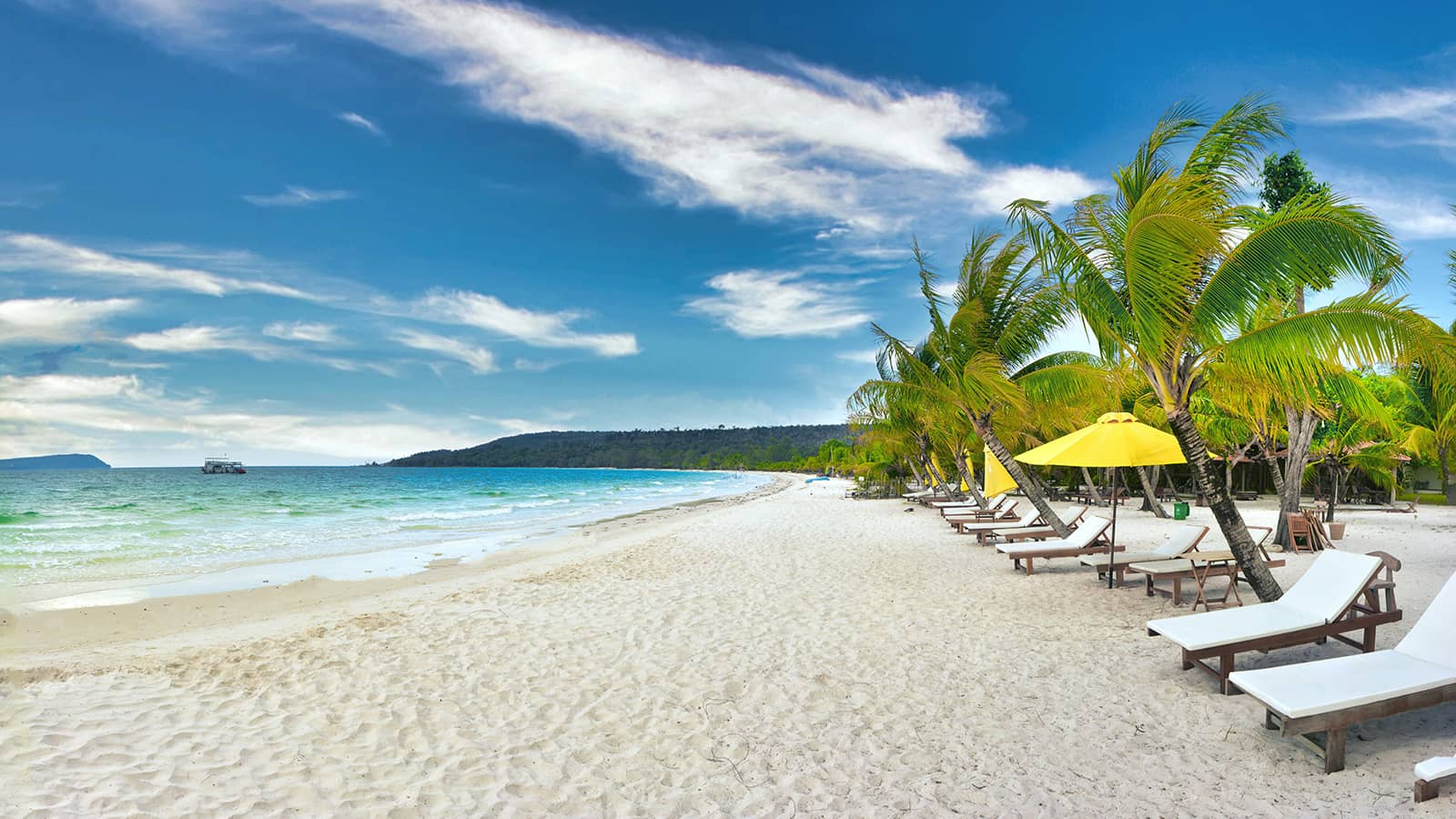
From late July through August, the rainy season ends and Kamakura shifts into beach mode. Yuigahama Beach and Zaimokuza Beach fill with surfers and day-trippers from Tokyo. The vibe here is relaxed compared to Shonan beach towns further along the coast. Beach huts (umino-ie) rent chairs and sell cold Sapporo draft beer and grilled corn — simple pleasures that work well after a hot morning of temple-hopping. Sea temperatures reach around 24–25°C in August, warm enough for comfortable swimming.
Autumn Foliage: Temples in Red and Orange
Late November is Kamakura’s other visual peak. The maple trees surrounding Eianji and Zuisenji turn vivid shades of red and amber, and because these temples are less famous than Kyoto’s foliage spots, you’ll actually be able to stop, look, and think — rather than shuffle through in a crowd.
Kōtoku-in, home to the famous Great Buddha (Kotoku-in Daibutsu), is surrounded by trees that colour well in late November. The bronze statue’s green-grey patina against a backdrop of red maples in the late afternoon light is a composition worth planning around. Foliage typically peaks in Kamakura between November 20th and December 5th, slightly later than inland mountain destinations.
Several temples hold night illumination events in autumn. Engakuji and Tsurugaoka Hachimangū have both run evening light-up events in recent years, with lanterns and soft lighting that transform the spaces entirely. Dates vary by year, so confirm with the temple websites in October. Entry for evening events is usually separate from daytime admission and runs ¥600–¥1,000.
Winter Calm: New Year Rituals and Empty Trails
December through February is Kamakura’s quietest stretch, and for certain types of travellers — those who want the temples without the selfie sticks — it’s the best time to come. The Kamakura Hiking Course (Tenen Hiking Trail) that runs along the hills behind the city is almost deserted on weekday mornings in January. The views over Sagami Bay on a clear winter day, with the ocean a flat deep blue and the Izu Peninsula visible on the horizon, are as good as anything the more popular seasons offer.
The exception is the New Year period (Oshogatsu). Tsurugaoka Hachimangū is one of the most visited shrines in Japan for hatsumode (the first shrine visit of the year), drawing over two million visitors between January 1st and 3rd. If that sounds like something you want to experience, go at midnight on December 31st when the atmosphere is electric — the smell of burning cedar from the bonfires, the sound of the temple bell, the press of bodies all moving in one direction toward the main hall. If crowds stress you out, avoid Kamakura entirely that first week of January.
Kamakura’s Major Festivals and Annual Events
Beyond the seasons, Kamakura has a genuine festival calendar worth planning around:
- Kamakura Matsuri (Kamakura Festival) — Second and third weeks of April. Held at Tsurugaoka Hachimangū, this week-long festival includes yabusame (horseback archery), traditional dance performances, and a mikoshi procession. The yabusame event is free to watch from the shrine grounds and is genuinely spectacular — mounted archers in Heian-period costume galloping at full speed along a 255-metre track, loosing arrows at wooden targets.
- Reitaisai (Grand Festival) — September 14th–16th annually. The most important festival at Tsurugaoka Hachimangū, featuring another yabusame ceremony alongside traditional court music and dance. September weather is still warm and the hydrangea crowds are long gone, making this a good timing combination.
- Bon Odori — Mid-August. Various locations around Kamakura hold neighbourhood Bon Odori dance events. These are local celebrations rather than tourist events — joining the circle dance is encouraged and no skill is required.
- Kamakura Lantern Festival (Ōkurayama Bon-Tōrō) — August 9th–10th. Stone lanterns are lit along the paths of Tsurugaoka Hachimangū in memory of those who died in the Great Kanto Earthquake (1923). The soft amber glow of hundreds of stone lanterns in the summer dark is quietly moving.
- Engakuji Zazen and Seasonal Events — Engakuji temple holds public zazen meditation sessions on weekends throughout the year. No registration needed; sessions begin at 5:30am. Free to attend, though a small donation is customary.
Day Trip or Overnight?
Most visitors do Kamakura as a day trip from Tokyo, and for spring and autumn, that’s perfectly valid — you can cover the Great Buddha, Hasedera, the dankazura, and Komachi-dori in a solid six to seven hours.
But an overnight stay changes the experience significantly, and certain seasons reward it more than others:
- Hydrangea season (June) — Staying overnight lets you reach Meigetsu-in right at opening, before the day-trippers arrive from Tokyo. Evening walks along the quiet backstreets near Kita-Kamakura station, with rain pattering on tile roofs and lanterns lit outside small restaurants, are a completely different Kamakura than the daytime crowds suggest.
- New Year (January 1st) — If you want the midnight hatsumode experience, staying overnight is the only practical option. Last trains from Kamakura are suspended or severely limited during the first few hours of January 1st as the crowd volume is enormous.
- Autumn illumination events — Evening light-up events end around 9pm, and the last comfortable train back to Tokyo is around 10pm. Staying over removes the time pressure and lets you linger.
For summer beach visits and most winter trips, a day trip is completely sufficient.
2026 Budget Reality: What Each Season Costs
Kamakura is cheaper than Kyoto but not as cheap as it used to be. The weaker yen of the early 2020s has gradually stabilised, but accommodation prices have risen with tourism demand. Here’s what to expect in 2026:
Accommodation (per room, per night)
- Budget — Guesthouses and hostels in Kita-Kamakura or central Kamakura: ¥4,500–¥7,500 per person in a dorm; private rooms from ¥9,000
- Mid-range — Business hotels near Kamakura Station or traditional guesthouses (minshuku): ¥14,000–¥22,000 per room
- Comfortable — Boutique ryokan with dinner and breakfast: ¥28,000–¥45,000 per person. Prices jump 20–30% during cherry blossom peak and hydrangea season weekends.
Daily Expenses
- Temple and shrine entry — Most temples charge ¥200–¥500. Hasedera is ¥400. The Great Buddha (Kotoku-in) is ¥300 for adults. Budget ¥1,500–¥2,500 for a full day of sightseeing.
- Food — A bowl of shirasu-don (whitebait rice bowl, a Kamakura speciality) at a restaurant near the beach runs ¥1,200–¥1,800. Lunch at a mid-range café on Komachi-dori: ¥1,500–¥2,500. Dinner at a small izakaya near Kamakura Station: ¥2,500–¥4,000 with drinks.
- Transport — Tokyo to Kamakura by JR Yokosuka Line from Shinjuku or Shibuya: around ¥920 each way. The Enoden (Enoshima Electric Railway) day pass is ¥700 and covers the coastal route including Enoshima — worth it if you’re combining both destinations.
Seasonal Price Patterns
Late June weekends (hydrangea peak) and late March to early April (cherry blossoms) are the most expensive periods. January and February offer the lowest accommodation prices — sometimes 30–40% below peak season rates. Autumn foliage weekends in late November are competitive with spring pricing.
Frequently Asked Questions
What is the best month to visit Kamakura?
For scenery and manageable crowds, late April (after cherry blossoms) and early November (before peak autumn foliage crowds) are ideal. June is excellent for hydrangeas if you go on a weekday. The absolute busiest periods are late March to early April and the first week of January — plan accordingly.
When do the hydrangeas bloom in Kamakura?
Hydrangeas in Kamakura typically peak during the second and third weeks of June, though warmer springs can push this earlier. Meigetsu-in is the most famous spot. Hasedera also has an excellent hydrangea garden on its upper terrace, often overlooked by visitors heading straight to Meigetsu-in.
Is Kamakura worth visiting in winter?
Yes, especially for travellers who dislike crowds. January and February offer the quietest trails, the clearest sea views, and the lowest hotel prices of the year. Many temples are just as atmospheric with bare trees. The main drawback is shorter daylight hours and the occasional cold wind off Sagami Bay.
How crowded does Kamakura get during festivals?
The Kamakura Matsuri yabusame event draws large crowds to the shrine grounds, but it’s manageable if you arrive early. The New Year hatsumode period is on a different scale — millions of visitors in three days. The Reitaisai in September is popular but not overwhelming, making it one of the better festival weekends for first-time visitors.
Can I visit Kamakura and Enoshima on the same day?
Yes, and it’s a common combination. Take the Enoden from Kamakura Station west to Enoshima Station (about 25 minutes) and spend the afternoon there. The Enoden day pass (¥700 in 2026) makes this economical. Start in Kamakura early, aim to reach Enoshima by early afternoon, and catch the sunset over the ocean from the island’s lighthouse observation deck.
📷 Featured image by Akshay Nanavati on Unsplash.