On this page
- Nikko: Mountain Shrines and Cedar-Lined Silence
- Kamakura: Coastal Temples and the Great Buddha
- Hakone: Fuji Views, Volcanic Vents, and Outdoor Art
- Yokohama: A Harbor City With Its Own Identity
- Kawaguchiko and the Fuji Five Lakes: Mt. Fuji at Its Closest
- Chichibu: The Local’s Escape Most Tourists Miss
- Choosing Between Destinations: A Quick Comparison
- Making Your Rail Pass or IC Card Work for Day Trips
- 2026 Day Trip Budget Breakdown
- Practical Tips for a Smooth Day Trip
- Frequently Asked Questions
💰 Click here to see Japan Budget Breakdown
💰 Prices updated: October, 2026. Budget figures are estimates — always verify before travel.
Exchange Rate: $1 USD = ¥157.00
Daily Budget (per person)
Shoestring: ¥8,000 – ¥15,000 ($50.96 – $95.54)
Mid-range: ¥18,000 – ¥35,000 ($114.65 – $222.93)
Comfortable: ¥45,000 – ¥80,000 ($286.62 – $509.55)
Accommodation (per night)
Hostel/guesthouse: ¥2,500 – ¥6,000 ($15.92 – $38.22)
Mid-range hotel: ¥10,000 – ¥20,000 ($63.69 – $127.39)
Food (per meal)
Budget meal: ¥800.00 ($5.10)
Mid-range meal: ¥2,500.00 ($15.92)
Upscale meal: ¥20,000.00 ($127.39)
Transport
Single metro/bus trip: ¥250.00 ($1.59)
Monthly transport pass: ¥30,000.00 ($191.08)
Tokyo in 2026 is busier than ever. The city welcomed a record number of foreign visitors in 2025, and popular neighborhoods like Shibuya, Asakusa, and Shinjuku are now managing crowd caps and paid entry zones during peak hours. If you’ve spent two or three days in the city and feel the walls closing in, you’re not imagining it — Tokyo is genuinely overwhelming at scale. The good news: Japan’s rail network puts some of the country’s most spectacular destinations within one or two hours of the city center. A well-planned day trip gives you mountain air, ancient temples, volcano views, or a quiet coastal town — and gets you back to your hotel by dinner.
Nikko: Mountain Shrines and Cedar-Lined Silence
Two hours north of Tokyo by Tobu Nikko Line or Shinkansen connection, Nikko sits in a forested mountain valley that feels like a completely different country. The centrepiece is the Tosho-gu shrine complex — a UNESCO World Heritage Site that is one of the most ornate religious structures in Japan. Gold leaf, lacquerwork, and intricate wood carvings cover every surface. The famous Yomeimon Gate alone takes most visitors ten minutes just to process.
Walk the cedar-lined approach from Shinkyo Bridge to the shrine complex in the morning, when the mist still clings to the trees and the massive cryptomeria cedars muffle all sound except birdsong. The air smells of resin and damp earth — nothing like central Tokyo.
Beyond Tosho-gu, the Rinnoji Temple complex and the quieter Futarasan Shrine are worth a longer look. In autumn (October to November), the maple and ginkgo trees around the area turn the hillsides into fire. In winter, snow settles on the stone lanterns lining the paths and the whole complex feels frozen in time.
How to get there: Take the Tobu Nikko Line from Asakusa Station. The Limited Express Revaty takes about 1 hour 50 minutes and costs around ¥2,700 each way. Alternatively, take the Shinkansen to Utsunomiya (50 minutes from Tokyo Station) then a local train to Nikko (45 more minutes). A Tobu Nikko Pass (¥4,780 for 2 days) covers the train and some buses — good value if you want to reach Lake Chuzenji or Kegon Falls.

Kamakura: Coastal Temples and the Great Buddha
Less than an hour south of Tokyo on the JR Yokosuka Line, Kamakura sits on a narrow strip of land between forested hills and Sagami Bay. The town is compact enough to navigate mostly on foot or by the small Enoden tram line that runs along the coast. The atmosphere is relaxed and slightly bohemian — local surfers, ceramics studios, and independent cafés occupy the same streets as eight-century-old temples.
The Kotoku-in Great Buddha — a 13.35-metre bronze figure that has sat outdoors since the 14th century — is every bit as impressive in person as in photographs. You can step inside the statue through small hatches in its sides. Nearby, the Hasedera Temple offers layered garden terraces with Pacific Ocean views, and the Tsurugaoka Hachimangu shrine at the town center is connected to the main shopping street (Komachi-dori) by a long, tree-lined approach perfect for a slow walk.
The Enoden tram is a genuine highlight — a rattling, narrow-gauge line that weaves between wooden houses so closely that laundry on balconies almost brushes the train windows. Ride it to Enoshima, a small island connected to the mainland by a causeway, for sea caves and shrine paths cut into the cliffs.
How to get there: JR Yokosuka Line from Tokyo Station to Kamakura, approximately 56 minutes, around ¥940 each way. Covered by JR Pass. The Kamakura-Enoshima Pass (¥1,520) covers unlimited Enoden rides plus the JR journey from Fujisawa — useful if you plan to explore multiple stops along the coast.
Hakone: Fuji Views, Volcanic Vents, and Outdoor Art
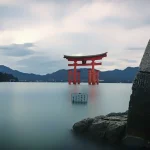
Hakone is one of the most efficiently packaged day trips in Japan. Within the national park boundary, you can ride a mountain railway, a cable car over active volcanic vents at Owakudani, a ropeway, and a lake cruise — all in a single day, all connected by the Hakone Free Pass system. The clear reward for doing all of this is a view of Mt. Fuji reflected in Lake Ashi on a calm morning, framed by a red torii gate rising from the water.
At Owakudani, sulfur vents hiss through rocky yellow earth, and the smell hits you before you see anything — sharp and mineral. Black eggs cooked in the volcanic springs are sold here (legend suggests eating one adds seven years to your life, though your nose might need convincing). The Hakone Open Air Museum, located on the mountain railway route, holds an impressive permanent collection of sculpture — Rodin, Picasso, Henry Moore — set across manicured outdoor grounds with Fuji visible on clear days.

How to get there: Romancecar express train from Shinjuku Station to Hakone-Yumoto, roughly 85 minutes, around ¥2,400–¥2,900 depending on seat class. The Hakone Free Pass (¥6,500 from Shinjuku) covers the Romancecar, mountain railway, ropeway, cable car, and lake cruise for two days — one of the best-value transport passes in the Tokyo region. Note: the Odakyu Romancecar requires a seat reservation even with the pass.
Yokohama: A Harbor City With Its Own Identity
Yokohama is technically 28 minutes from Shibuya by Tokyu Toyoko Line — close enough that some travelers skip it, which is a mistake. This is Japan’s second-largest city and it has a completely different personality from Tokyo: waterfront promenades, European-influenced Meiji-era brick warehouses, one of Asia’s largest and oldest Chinatown districts, and a laid-back harbor atmosphere that slows your pace the moment you arrive.
Yamashita Park runs along the waterfront and connects to the Minato Mirai 21 district — a modern development of gleaming towers and the Cosmo World amusement park with its enormous Ferris wheel. The Yokohama Chinatown district (Chukagai) is a full neighborhood packed with dim sum restaurants, Taiwanese pineapple cake shops, and incense-heavy shrines dedicated to Kuan Ti and Mazu. The red and gold Kanteibyo Temple sits at the district’s heart, and the narrow streets smell of roasting meat and char siu all day.
The Sankeien Garden, a 15-minute bus ride from the main tourist area, is one of the finest traditional Japanese gardens in the Kanto region — less visited than it deserves and genuinely beautiful in cherry blossom season.
How to get there: Tokyu Toyoko Line from Shibuya to Yokohama, 28 minutes, around ¥280. JR trains from Tokyo Station to Yokohama take 25 minutes via JR Tokaido Line (covered by JR Pass). IC cards accepted throughout.
Kawaguchiko and the Fuji Five Lakes: Mt. Fuji at Its Closest
If seeing Mt. Fuji is your primary goal, Kawaguchiko is your best option. The lake sits at the northern foot of the mountain and on a clear day the reflection of Fuji in the still water is one of those images you see on calendars and assume must be exaggerated. It isn’t. The Chureito Pagoda viewpoint — a five-tiered pagoda reached by 398 stone steps above the town of Fujiyoshida — is the most photographed Fuji view in Japan, especially in cherry blossom season (late March to early April).
The official climbing season runs from early July to early September. In 2025, Yamanashi Prefecture introduced a ¥4,000 per-person environmental fee for Yoshida Trail climbers, plus a daily cap of 4,000 climbers — both measures remain in place for 2026. Book your trail slot through the official Fujisan Climbing registration portal well ahead of your intended climb date.
Even if you’re not climbing, boat hire on the lake, a soba lunch at one of the lakeside restaurants, and a visit to the Kubota Itchiku Art Museum (which houses extraordinary kimono textile art) make for a full day.
How to get there: Highway bus from Shinjuku Bus Terminal (Busta Shinjuku) to Kawaguchiko, around 1 hour 45 minutes, approximately ¥1,750–¥2,000 each way. Alternatively, take the JR Chuo Line to Otsuki then the Fujikyu Railway to Kawaguchiko (total roughly 2 hours, around ¥4,000 round trip). Buses are generally cheaper and faster.
Chichibu: The Local’s Escape Most Tourists Miss
Ask a Tokyo resident where they go to get away from the city crowd, and a surprising number will say Chichibu. This small town about 80 kilometres northwest of central Tokyo sits in a river valley ringed by mountains, and it’s almost entirely absent from international tourist itineraries — which is exactly the point.
The Chichibu 34 Temple Pilgrimage is a traditional circuit that locals walk in sections. Even a short walk between a few of these modest, atmospheric temples gives you a sense of everyday Japanese religious life that is completely different from Nikko’s theatrical grandeur. The Chichibu Shrine in the town center is understated but beautiful, with painted carvings in the same tradition as Nikko but without any queues.
Chichibu is also one of Saitama Prefecture’s main sake-producing areas. The Matsunoi Sake Brewery offers tours and tastings, and the town’s izakayas pour local nihonshu varieties you won’t find in Tokyo. The Arakawa River valley becomes spectacular in autumn — the Nagatoro area, 15 minutes by local train, offers river rafting and canyon boat rides between rocky gorges draped in red maple.
How to get there: Seibu Chichibu Line Limited Express Laview from Ikebukuro Station, approximately 78 minutes, around ¥1,600 each way. An extremely comfortable train with panoramic windows and individual seat monitors — one of the nicest regional rail journeys in the Tokyo area.
Choosing Between Destinations: A Quick Comparison
With so many strong options, picking the right day trip depends entirely on what you’re looking for. Here’s a fast breakdown:
- Nikko — Best for: history, temples, mountain scenery. Effort level: moderate. Don’t go if: you want relaxed walking — there’s a lot of ground to cover.
- Kamakura — Best for: a casual mix of beach, temples, and café culture. Effort level: easy. Best for families or anyone wanting a slow day.
- Hakone — Best for: Fuji views + onsen + art in one loop. Effort level: easy (the transport does the work). Skip if Mt. Fuji is completely clouded — check forecasts the night before.
- Yokohama — Best for: urban variety and food without temple fatigue. Effort level: very easy. Underrated for a half-day extension.
- Kawaguchiko — Best for: Fuji photography and the climbing season. Effort level: moderate. Weather-dependent — have a backup plan.
- Chichibu — Best for: escaping tourists entirely, local sake, autumn colors. Effort level: easy. Best for second or third Tokyo visits.
Making Your Rail Pass or IC Card Work for Day Trips
The 2026 JR Pass pricing structure has settled after significant changes in 2023. The 7-day pass currently costs ¥50,000, the 14-day ¥80,000, and the 21-day ¥100,000. For purely Tokyo-based day trips, the JR Pass covers Kamakura (via JR Yokosuka Line), Nikko (via Shinkansen to Utsunomiya), and Yokohama (via JR Tokaido Line). It does not cover Hakone (Odakyu Railway), Kawaguchiko (Fujikyu Railway), or Chichibu (Seibu Railway).
For day trips outside JR coverage, load your Suica or Pasmo IC card and pay per ride — both cards work on almost every private railway, bus, and even convenience store purchases. You can load up to ¥20,000 on a Suica via the Suica app (which now supports international credit and debit cards after its 2024 update). The Hakone Free Pass and Tobu Nikko Pass are both purchased separately and offer genuinely better value than paying individual fares.
One 2026 update worth knowing: JR East’s expanded IC card interoperability now allows Suica to function on most Shinkansen ticket gates for self-purchase journeys via the Shinkansen IC service — no physical ticket required for short Shinkansen hops like Tokyo to Utsunomiya.
2026 Day Trip Budget Breakdown
Costs below represent a solo traveler’s full day including transport from central Tokyo, admission fees, lunch, and one or two snacks or coffees. They do not include alcohol or souvenir shopping.
- Budget tier (¥4,000–¥7,000/day): Kamakura (transport + temple admissions + cheap soba lunch). Yokohama as a half-day extension costs almost nothing if you’re already holding an IC card. Pack your own lunch to trim further.
- Mid-range tier (¥8,000–¥14,000/day): Nikko with a Tobu Day Pass, Chichibu with sake tasting, Kawaguchiko by highway bus with a lakeside restaurant lunch.
- Comfortable tier (¥15,000–¥25,000/day): Hakone Free Pass + Open Air Museum entry (¥1,600) + a proper kaiseki or robatayaki lunch + an onsen dip at one of the ryokan day-use facilities (¥1,500–¥3,000). Nikko with a private taxi between sights also lands in this range.
Admission fees have increased slightly across most sites since 2024 — Kamakura’s major temples now charge ¥500–¥800 per site, Tosho-gu in Nikko is ¥1,600 for the main complex. Budget accordingly and check individual sites before visiting, as some have moved to online-only ticketing.
Practical Tips for a Smooth Day Trip
Leave early. The first two hours of any popular day trip destination — Kamakura, Hakone, Nikko — are dramatically quieter than mid-morning. Aim to be on a train by 7:00 or 7:30 from central Tokyo. You’ll arrive before tour buses and have temples or viewpoints largely to yourself.
Check the weather before Mt. Fuji destinations. Hakone and Kawaguchiko trips can be entirely defeated by cloud cover. The Japan Meteorological Agency website (jma.go.jp) has accurate 3-day forecasts. Many experienced travelers keep one flexible day in their Tokyo itinerary to slot in a Fuji-area trip when weather cooperates.
Pack light but pack layers. Mountain destinations like Nikko and Hakone can be 5–8°C cooler than Tokyo, especially in spring and autumn. A light packable jacket lives in your bag all day and saves you at altitude.
Food and water. Convenience stores (7-Eleven, FamilyMart, Lawson) at train stations are fully stocked — onigiri, sandwiches, hot foods, and quality coffee at ¥150–¥200 per cup. Tap water throughout Japan is completely safe to drink. Bring a refillable bottle.
Crowds and timed entry. Beyond Nikko’s autumn timed entry, Kamakura’s Kotoku-in (Great Buddha) introduced a ¥500 entry fee in 2024 that remains in place. Hakone’s ropeway has operated with timed boarding during peak periods — arrive at Sounzan Station before 10:00 to avoid waits. These systems are all managed on-site; no advance booking required for most.
Return train timing. Check the last return train time before you travel, especially for Nikko and Chichibu where evening services thin out. Missing the last express usually means a slow local train adding 45–60 minutes to your return.
Frequently Asked Questions
What is the best day trip from Tokyo for first-time visitors?
Kamakura is the easiest and most rewarding first-time day trip. It’s under an hour by JR train, covers multiple temples and the famous Great Buddha in a compact walkable area, has good food options on Komachi-dori street, and is easy to pair with Enoshima for a coastal afternoon. Low effort, high reward.
Can I see Mt. Fuji on a day trip from Tokyo?
Yes, but weather is the main variable. Kawaguchiko gives you the best ground-level Fuji views, while Hakone offers mountain and lake perspectives. Both are 1.5–2 hours from Tokyo. Always check cloud forecasts the day before — clear mornings are more common, as clouds tend to build by afternoon. Spring and autumn offer the clearest conditions overall.
Is the JR Pass worth buying just for Tokyo day trips?
Probably not. At ¥50,000 for 7 days in 2026, the JR Pass only covers a few Tokyo-area day trips (Kamakura, Yokohama, Nikko via Utsunomiya). Unless you’re also traveling to Kyoto or Osaka during your trip, individual tickets or destination-specific passes like the Hakone Free Pass or Tobu Nikko Pass offer better value for day trip-focused itineraries.
Which day trip from Tokyo has the fewest tourists?
Chichibu consistently sees far fewer international visitors than other Tokyo day trip destinations. The town has excellent sake, seasonal scenery, traditional pilgrimage temples, and river activities — all without the crowds that affect Nikko, Kamakura, or Hakone. It’s particularly special in late November when the annual Chichibu Yomatsuri night festival takes place.
How many day trips can I realistically do in a week in Tokyo?
Two to three day trips in a 7-day stay is a comfortable pace for most travelers. Each destination deserves a full day — half-day rushes leave you feeling you’ve seen nothing properly. Use your remaining days for Tokyo’s neighborhoods, markets, and food. Trying to do more than three day trips tends to result in exhaustion rather than richer experiences.
Explore more
Where Should First-Timers Eat in Tokyo? Your Essential Guide
Shibuya After Dark: Your Essential Guide to Tokyo’s Hottest Clubs and Bars
Shibuya Shopping Spree: Your Guide to Tokyo’s Trendiest Fashion Hubs