On this page
- What Omotenashi Actually Means
- How Omotenashi Shows Up Before You Even Arrive
- The Ryokan Experience: Omotenashi at Its Most Complete
- Convenience Store and Everyday Omotenashi
- 2026 Budget Reality: What You’re Paying for This Level of Service
- What Visitors Often Misread
- How to Respond Without Causing Awkwardness
- Frequently Asked Questions
What Omotenashi Actually Means
Japan’s reputation for exceptional service isn’t accidental, and it isn’t just politeness. In 2026, with international tourism to Japan at record highs and millions of first-time visitors arriving each year, the word omotenashi gets thrown around constantly in travel guides and marketing materials — usually translated as “hospitality” and left at that. That translation misses most of what matters.
Omotenashi (おもてなし) is built from two concepts. Omote means “front” or “surface,” and nashi means “without.” Together, the idea is service given without a hidden front — nothing performed for tips, nothing transactional, no expectation of reward. The host anticipates your needs and meets them before you even recognise you have them. This is not a customer service strategy. It is a cultural value rooted in Zen philosophy, the tea ceremony tradition, and centuries of Japanese social ethics.
The tea ceremony (chado) is where omotenashi was formalised. A tea master prepares for guests by considering every detail — the scroll on the wall, the seasonal flowers, the temperature of the water — all calibrated to create a specific feeling of welcome. That same instinct flows through a hotel receptionist who silently notices you’ve been on a long flight and offers a warm towel before you ask, or a restaurant server who refills your tea the instant the cup drops below halfway.
Understanding this distinction matters for how you experience Japan. You are not receiving a performance. You are receiving genuine care, delivered with discipline and pride.
How Omotenashi Shows Up Before You Even Arrive
Japanese hospitality begins well before face-to-face contact. Hotels — particularly ryokan and higher-end business hotels — send detailed pre-arrival messages asking about dietary restrictions, purpose of visit, preferred pillow firmness, and whether you are celebrating anything. These are not automated marketing emails. Staff actually read the responses and act on them.
At major airports like Haneda and Kansai International, signage is layered specifically for nervous international arrivals. Staff at information counters are trained to approach people who look confused rather than waiting to be asked. At Shinkansen stations in 2026, multilingual assistance has expanded significantly — many now have dedicated English, Chinese, Korean, and Spanish support windows alongside the upgraded IC card systems introduced after the 2024 rail pass pricing changes.
Even the taxi experience starts with omotenashi. Taxis in Japan have automatically opening rear doors operated by the driver. You do not touch the door. The seat covers are often white lace. Drivers wear white gloves. This is not performance — it is standard. The driver may not speak English, but they will hand you a laminated card with common destination phrases and treat your luggage as if it belongs in a museum.
The Ryokan Experience: Omotenashi at Its Most Complete
If you want to understand omotenashi at its deepest, stay at a traditional Japanese inn — a ryokan. This is where the philosophy stops being abstract and becomes something you feel in your body.
Upon arrival, you are greeted at the entrance by the okami — the female proprietor, often dressed in kimono — and led to a tatami room where green tea and seasonal wagashi sweets are already waiting. The delicate bitterness of the matcha against the soft sweetness of a red bean confection shaped like a spring plum blossom is not accidental. It is calibrated to the season and to your arrival moment. Someone thought about this before you got there.
Your yukata (a casual cotton kimono) and tanzen (a thicker robe for cooler evenings) will be laid out in your size — which the inn estimated from your booking details. The futon is stored in the closet during the day and laid out while you are at dinner, so you return to a room that has been transformed. Your shoes, left at the entrance, will be turned to face the door for your departure.
The multi-course kaiseki dinner follows a rhythm designed to move you through flavours — raw to cooked, light to rich, cold to warm — with seasonal ingredients sourced from the local region. A staff member may kneel beside your low table to explain each dish. This is not a rehearsed speech. It is a conversation about what you are eating and where it came from.
Nothing about this experience is left to chance. That is the point.
Convenience Store and Everyday Omotenashi
One of the things that surprises visitors most is that omotenashi is not reserved for expensive experiences. It runs through ordinary daily transactions in ways that feel almost surreal if you arrive from a country where convenience store staff barely look up.
At a Japanese konbini — 7-Eleven, FamilyMart, Lawson — the staff greet every customer with irasshaimase the moment you walk in. When you buy a hot item, they ask if you want it in a separate bag so it doesn’t heat your cold items. They ask if you need chopsticks, a fork, or a spoon — and which type. When handing back change, they place coins in your hand carefully, never tossing them on the counter. The receipt is handed over with two hands.
Department stores operate on an entirely different level. The elevator attendants at traditional Japanese depato — think Takashimaya or Mitsukoshi — still wear uniforms and white gloves and bow as the doors close. On the basement floor (depachika), food hall staff wrap purchases with a precision that feels more like gift-making than packing. If you are buying something as a gift, say so, and the packaging will reflect that.
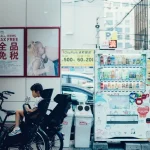
Even at unmanned vending machines — and Japan has roughly 4 million of them — the machines are kept spotlessly clean, stocked reliably, and placed in locations that suggest someone thought about where a thirsty pedestrian might be standing.
2026 Budget Reality: What You’re Paying for This Level of Service
Service in Japan is baked into the price of accommodation and food rather than added as a gratuity. Tipping is not practiced and can cause genuine confusion or embarrassment. What you pay upfront covers everything.
- Budget: Business hotels such as Toyoko Inn or APA Hotel run ¥7,000–¥11,000 per night for a single room. Service is efficient and courteous, though not personalised.
- Mid-range: City hotels like Dormy Inn or regional hotel chains run ¥12,000–¥22,000 per night. Expect attentive front desk service, clean and well-stocked rooms, and often an onsen or communal bath.
- Comfortable: A mid-tier ryokan with two kaiseki meals included runs ¥30,000–¥60,000 per person per night. This is where full omotenashi hospitality — personalised service, seasonal meals, attentive room staff — is the core product.
- High-end: Luxury ryokan (onsen resorts in Hakone, Kyoto machiya-style inns, or established properties in Kinosaki Onsen) run ¥60,000–¥150,000+ per person per night. At this level, the okami may personally oversee your stay.
In 2026, the weaker yen means these prices are exceptionally accessible for visitors from North America, Europe, and Australia compared to even three years ago. The quality-to-cost ratio for Japanese hospitality is currently among the best of any destination in the world.
What Visitors Often Misread
Japanese service can confuse visitors who mistake formality for emotional distance, or who interpret a quiet, composed demeanour as indifference. Neither is true.
When a staff member bows deeply and speaks in formal, measured Japanese — or in careful, slow English — this is not coldness. It is respect. Japanese hospitality culture values precision and composure as expressions of care. Loudness, excessive casualness, or over-familiarity can actually make a Japanese host uncomfortable, because it disrupts the carefully created atmosphere they have prepared for you.
Refusals are also commonly misread. If a restaurant says they are full when they have visibly empty seats, or a smaller ryokan says they cannot accommodate you, this is usually not discrimination — it is an honest acknowledgement that they cannot serve you at the standard they consider acceptable. A kitchen with one cook may not be able to prepare a kaiseki meal for a last-minute party of five. Accepting this gracefully is part of participating in omotenashi culture, not fighting it.
Also: staff are unlikely to correct your behaviour directly, even if you are doing something wrong. Instead, they may gently model the correct behaviour nearby. Pay attention to those cues.
How to Respond Without Causing Awkwardness
Omotenashi is a one-directional philosophy — the host gives, the guest receives. Trying to reciprocate by overtipping, over-thanking, or demanding a conversation with the chef can actually disrupt the dynamic. Here is how to receive Japanese hospitality well.
- Use the right phrases. Arigatou gozaimasu (ah-ree-gah-toh go-zai-mas) — “thank you very much” — is always appropriate and always appreciated. A small bow while saying it adds warmth. Okage sama de (oh-kah-geh sah-mah-deh) — “thanks to you” — is a more meaningful expression of gratitude used after a meal or stay.
- Don’t tip. This is the rule with no exceptions in 2026. Leaving money on a restaurant table or pressing bills into a server’s hand creates confusion and can feel insulting to someone who views their service as a matter of personal pride, not commerce.
- Notice the details. Omotenashi is most appreciated when guests acknowledge it — not with effusive praise, but with quiet attention. If you notice that your tea has been refilled, or that your shoes have been arranged, a brief moment of visible appreciation (a small bow, a quiet arigatou) communicates that the effort was seen.
- Follow the pace. Ryokan meals move at a set rhythm. Business hotel check-ins have an established flow. Let the host lead rather than rushing or restructuring the experience. The pace is part of the hospitality.
- Leave the space as you found it. In a ryokan, folding your yukata and tidying the room before checkout is not required, but it is deeply appreciated. It communicates respect for the space and for the person who will prepare it next.
Frequently Asked Questions
Is omotenashi only found in high-end hotels and ryokan?
No. Omotenashi runs through all levels of Japanese service — from konbini staff carefully handing back change to taxi drivers with lace seat covers. The depth and personalisation increase with price, but the underlying ethic of anticipatory, non-transactional care is present across everyday life in Japan.
Should I tip in Japan in 2026?
Never. Tipping is not practiced in Japan and can cause genuine awkwardness or embarrassment. Service staff take pride in their work as a professional standard, not in expectation of extra payment. The price you pay upfront — for a meal, a room, a taxi — covers everything. Leave the table without leaving money.
What is the difference between omotenashi and regular good service?
Regular good service responds to requests. Omotenashi anticipates needs before they are expressed. A hotel notices you’ve been travelling all day and prepares a hot bath without being asked. A server refills tea before the cup is empty. The host considers your comfort more than you do yourself — that is the distinction.
How do I show respect for Japanese hospitality as a foreign visitor?
Use basic thank-you phrases (arigatou gozaimasu), follow the pace set by your host, don’t tip, remove shoes when asked, and pay attention to small details like how items are handed to you. Quiet, attentive appreciation communicates more respect than loud compliments or excessive familiarity.
Do language barriers affect the omotenashi experience?
Rarely. Japanese hospitality professionals are trained to communicate care through action rather than words. In 2026, most major hotels, ryokan, and tourist-facing businesses have English-speaking staff or translation tools available. The emotional intelligence of omotenashi crosses language gaps — you feel it before you can describe it.
📷 Featured image by Maria Cassagne on Unsplash.