On this page
- Why 5 Days Is the Sweet Spot for Kyoto in 2026
- Day 1: Higashiyama and the Eastern Temples Circuit
- Day 2: Arashiyama, Sagano and the Western Hills
- Day 3: Central Kyoto — Nishiki, Nijo Castle and Gion
- Day 4: Fushimi Inari, Uji and the Southern Reaches
- Day 5: Kinkakuji, Ryoanji and the Northern Temple Trail
- Where to Stay in Kyoto for Each Budget Tier
- Getting Around Kyoto on This Itinerary
- Eating Your Way Through 5 Days — Specific Spots and Streets
- What Has Changed in Kyoto Since 2024
- Budget Breakdown: What 5 Days in Kyoto Costs in 2026
- Practical Tips for First-Time Kyoto Visitors
- Frequently Asked Questions
💰 Click here to see Japan Budget Breakdown
💰 Prices updated: October, 2026. Budget figures are estimates — always verify before travel.
Exchange Rate: $1 USD = ¥157.00
Daily Budget (per person)
Shoestring: ¥8,000 – ¥15,000 ($50.96 – $95.54)
Mid-range: ¥18,000 – ¥35,000 ($114.65 – $222.93)
Comfortable: ¥45,000 – ¥80,000 ($286.62 – $509.55)
Accommodation (per night)
Hostel/guesthouse: ¥2,500 – ¥6,000 ($15.92 – $38.22)
Mid-range hotel: ¥10,000 – ¥20,000 ($63.69 – $127.39)
Food (per meal)
Budget meal: ¥800.00 ($5.10)
Mid-range meal: ¥2,500.00 ($15.92)
Upscale meal: ¥20,000.00 ($127.39)
Transport
Single metro/bus trip: ¥250.00 ($1.59)
Monthly transport pass: ¥30,000.00 ($191.08)
Why 5 Days Is the Sweet Spot for Kyoto in 2026
Most travelers budget two or three days for Kyoto and leave feeling like they barely scratched the surface. The opposite problem has emerged in 2026: overtourism management measures mean several top sites now require advance reservations, timed entry slots fill weeks out during peak season, and the city’s most iconic corridors — the stone-paved lanes of Higashiyama, the bamboo grove path in Arashiyama — have strict crowd-flow rules that make rushing between sights genuinely difficult. Five days gives you enough time to see the landmarks without treating the city like a checklist. It also lets you slow down: linger in a moss garden when the afternoon light goes soft, find a counter-seat tofu restaurant tucked behind a temple, and actually absorb what makes Kyoto feel different from everywhere else in Japan.
Day 1: Higashiyama and the Eastern Temples Circuit
Start where most Kyoto Visitors feel the city click into focus. The eastern hills district runs roughly from Kiyomizudera in the south to Nanzenji in the north, connected by the stone-paved Ninenzaka and Sannenzaka lanes and the quieter Philosopher’s Path canal walk.
Morning: Kiyomizudera and the Sannenzaka Lanes
Arrive at Kiyomizudera by 8:00. In 2026, the temple grounds open at 6:00 for early-morning visitors, and the famous wooden stage — cantilevered over the forested hillside — is genuinely peaceful before 9:00. Entry costs ¥500 per adult. Walk slowly down Sannenzaka and Ninenzaka afterward. These preserved Edo-period merchant lanes smell of cedar and incense, with pickle shops and lacquerware sellers opening their wooden shutters as the morning fog burns off the hills. The narrow stone steps, slightly uneven from centuries of foot traffic, have a tactile weight that photographs simply don’t capture.
Afternoon: Maruyama Park to Nanzenji
Walk north through Maruyama Park (free entry), past Chion-in’s enormous sanmon gate, and continue to Shoren-in — often skipped by first-timers, which means its camphor-tree courtyard is almost always quiet. From there, Heian Shrine’s vermilion torii marks the gateway to the Okazaki museum district before you reach Nanzenji. The aqueduct arcade running through Nanzenji’s grounds is one of the city’s stranger and more photogenic surprises. Entry to Nanzenji’s main grounds is free; the Hojo (central hall) costs ¥600.

Evening: Philosopher’s Path at Dusk
The canal path connecting Nanzenji to Ginkakuji (the Silver Pavilion) takes about 30 minutes at a leisurely pace. In the early evening, the path is largely local — joggers, dog walkers, people cycling home. Ginkakuji closes at 17:00, so save it for another day; just walk the path and feel the shift in pace. Dinner around Okazaki or a short bus ride to Gion.
Day 2: Arashiyama, Sagano and the Western Hills
The western district is a half-day minimum from central Kyoto, so dedicate a full day and go early. The bamboo grove path is genuinely worth it — but only before 8:30, when the light filters through the stalks in slanted green columns and the sound of the canes clicking in the wind is audible over the tourists. After 10:00, the path becomes a slow shuffle.
Morning: Tenryuji and the Bamboo Grove
Tenryuji’s garden opens at 8:30 and is one of the finest in Japan — a dry landscape composition backed by borrowed scenery from the surrounding hills. Entry to the garden is ¥500; add ¥300 for the main hall. Walk directly to the bamboo grove immediately after. The path takes ten minutes to walk slowly. It connects to the quieter Jojakukoji and Nison-in temples if you continue up the hillside — both are significantly less crowded and genuinely beautiful.

Afternoon: Sagano Romantic Train and Katsura River
The Sagano Scenic Railway (Torokko train) runs a 7.3-kilometre route through the Hozugawa gorge. Book tickets in advance online (¥880 per adult one way); in 2026 this has become one of the most in-demand short rail experiences near Kyoto. Alternatively, rent a rowboat on the Oi River near Togetsukyo Bridge — a much more affordable and underrated way to experience the valley from the water.
Evening: Dinner in Arashiyama or Kyoto Station
Arashiyama has decent tofu and yudofu restaurants near the river. Alternatively, take the San-in Line back to Kyoto Station (about 15 minutes) and eat in the station’s Isetan food hall basement or the Kyoto Ramen Koji ramen street on the 10th floor.
Day 3: Central Kyoto — Nishiki, Nijo Castle and Gion
Day three pulls you into the urban heart: the covered Nishiki Market, the shogunate’s former Kyoto stronghold, and the living entertainment district of Gion. These three sit within a compact central zone that’s easy to cover on foot and by bus.
Morning: Nishiki Market and the Teramachi Arcade
Nishiki is a 400-metre covered market street running parallel to Shijo-dori. In 2026, it opens around 9:00–10:00 for most stalls, and the best strategy is to walk the full length first, then double back to buy. Look for tamagoyaki being cooked to order, skewered tsukemono (pickled vegetables), and fresh yuba (tofu skin) sold from tiny stalls barely wider than a doorway. The adjoining Teramachi and Shinkyogoku covered shopping arcades branch off and run north — good for stationery, Buddhist goods, and cheap snacks.
Afternoon: Nijo Castle
Nijo Castle (¥1,300 entry including all sections as of 2026) holds the Ninomaru Palace, whose “nightingale floors” creak deliberately underfoot — an anti-assassination feature built into the floorboards. The squeaking follows you through every corridor. The interior paintings in the reception halls, showing tigers and pines on gold-leaf screens, are among the finest intact examples of Momoyama-period art you can see without special permission. Allow 90 minutes.

Evening: Gion — Hanamikoji and Shirakawa Canal
The Hanamikoji street that bisects Gion is most atmospheric between 17:30 and 20:00, when ochaya (teahouses) have their lanterns lit. Maiko sightings are less common than the postcards suggest, but not impossible on a weeknight. The Shirakawa canal one block east is less photographed and more quietly beautiful — stone bridges, weeping willows, and the pale glow of machiya townhouse windows. Eat in Gion or walk fifteen minutes to Pontocho alley.
Day 4: Fushimi Inari, Uji and the Southern Reaches
The fourth day moves south, where Kyoto’s two most compelling southern destinations sit: the mountain trail of Fushimi Inari Taisha and the riverside town of Uji, just 17 minutes further by train.
Early Morning: Fushimi Inari Before the Crowds
Fushimi Inari is free, open 24 hours, and completely different before 7:00. The vermilion torii gates climbing the mountain — thousands of them, donated by businesses over centuries — catch the early-morning light in a way that afternoon visits simply don’t replicate. The lower trails are always busy; hike at least to Yotsutsuji intersection (about 40 minutes up) for views over the southern city and a dramatic thinning of the crowds. The full summit loop takes about 2.5 hours.
Midday: Uji — Byodoin and the Uji River
Take the JR Nara Line from Inari Station to Uji (¥240, about 17 minutes). Uji is famous for matcha — the town’s tea fields have been producing since the 13th century, and virtually every shop sells matcha in some form. Byodoin temple (¥1,000 entry) sits on a small island in the river, its Phoenix Hall reflected in the pond in front. The image appears on the ¥10 coin. The museum annexe attached to the temple holds original sculptures that would otherwise be exposed to weather. Allow two hours total.

Afternoon: Return to Kyoto via Fushimi Sake District
Fushimi, a few stops north of Inari, is Kyoto’s historic sake-brewing district. The Gekkeikan Okura Sake Museum (¥600 with tasting) gives a decent overview, but the streets themselves — kura (brewery) warehouses with white plaster walls and dark timber — are the main draw. It’s a low-key neighbourhood without many tourists, which by day four of Kyoto feels like a relief.
Day 5: Kinkakuji, Ryoanji and the Northern Temple Trail
The northwest corridor contains Kyoto’s two most internationally recognized landmarks alongside several far less-visited temples that reward an early start. Save this for day five when your sightseeing rhythm is established and you know how to pace yourself.
Morning: Ryoanji First, Then Kinkakuji
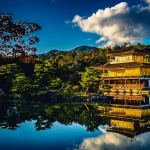
Counter-intuitive but worth it: go to Ryoanji before Kinkakuji. The famous rock garden (¥600 entry) is genuinely meditative when you arrive at opening time (8:00), and the surrounding pond garden is underrated. Then walk ten minutes to Kinkakuji (¥500 entry), whose gold-leaf-covered pavilion reflected in the mirror pond looks almost excessive in person — a kind of gilded audacity that surprises even people who’ve seen hundreds of photos of it. Go before 10:00. By midday it’s one of the most crowded single sites in Japan.
Afternoon: Daitokuji Complex
Daitokuji is a walled Zen temple compound in the northern city that contains over twenty sub-temples. Most are closed to the public most of the year, but three or four are reliably open — Daisen-in and Zuiho-in among them. These sub-temples have intimate karesansui (dry rock) gardens that feel entirely different from the famous tourist-track gardens. Entry to each is typically ¥400–¥500. This area has almost no food options, so eat in the Kitayama or Imadegawa area nearby.

Final Evening: Pontocho or Kawaramachi
Pontocho alley runs parallel to the Kamo River, a single narrow lane of restaurants and bars with the river visible between buildings to the east. In summer, restaurants extend wooden decks called yuka over the riverbank — eating suspended above the slow-moving Kamo River as the evening cools is a Kyoto experience with no equivalent elsewhere. Budget for ¥4,000–¥8,000 per person for a seated dinner here.
Where to Stay in Kyoto for Each Budget Tier
Location matters more in Kyoto than almost any other Japanese city because bus and metro lines don’t serve every area equally. These are the most practical areas for this 5-day itinerary.
Budget (¥4,000–¥8,000 per night)
Hostels and guesthouses cluster around Kyoto Station and the Karasuma subway corridor. Kyoto Station is convenient for Fushimi, Uji, and Arashiyama day trips. Expect capsule hotels and dormitory beds in this range. The Gojo station area on the Karasuma Line has some solid budget guesthouses within walking distance of Higashiyama.
Mid-Range (¥12,000–¥25,000 per night)
The most useful zone for this itinerary is the Kawaramachi–Gion corridor, giving walking access to Gion, Nishiki, and easy bus lines to Higashiyama and Arashiyama. Renovated machiya (townhouse) guesthouses have proliferated in this price bracket — sleeping in a 100-year-old wooden townhouse with a small inner garden is a genuinely Kyoto-specific experience.
Comfortable/Luxury (¥40,000–¥120,000+ per night)
Higashiyama and the Okazaki area have several high-end ryokan and boutique hotels. The Higashiyama ryokan experience — kaiseki dinner, yukata, private onsen bath — justifies the price for the right traveler. Book at least two months ahead for peak seasons. Some ryokan require Japanese-language reservations through a travel agency, though this has eased significantly since 2024 with more direct English-language booking options.

Getting Around Kyoto on This Itinerary
Kyoto’s layout is deceptively large. The city grid is logical but distances between areas are greater than they appear on maps.
- Buses: The most practical way to reach many temples and shrines not served by rail. A single-day bus pass costs ¥700 in 2026 and covers most central routes. Load on an IC card (Suica or Icoca) for seamless tapping — contactless fare payment is now universal across all Kyoto city bus routes.
- Subway: The Karasuma Line (north-south) and Tozai Line (east-west) cover the central corridor efficiently. No day pass exists for subway alone, but combined subway-bus passes are available at ¥1,100 for one day.
- JR Lines: Essential for Arashiyama (San-in Line from Kyoto Station), Fushimi Inari and Uji (Nara Line). Japan Rail Pass holders cover all JR segments on this itinerary at no extra cost.
- Cycling: Kyoto is flat in the central areas. Rental bikes cost ¥1,000–¥1,500 per day from shops near Kyoto Station and Kawaramachi. Useful for the Philosopher’s Path and Okazaki area.
- Taxis: Available and metered. Starting fare around ¥680. MK Taxi has English-language service. Useful for direct access to specific temple addresses in the hills.
Eating Your Way Through 5 Days — Specific Spots and Streets
Kyoto’s eating geography is as distinct as its sightseeing geography. Knowing where to eat matters as much as knowing what to eat.
Nishiki Market (Days 1 and 3)
Walk-and-eat is the format here. Fresh yuba, grilled skewers, pickles from family-run stalls. Budget ¥800–¥1,500 for a thorough walk-through snack session. Most stalls don’t have seating.
Pontocho Alley (Days 3 and 5)
The single-lane alley running from Shijo to Sanjo has restaurants at every price point. Counter-seat kushikatsu (fried skewers) bars sit alongside full kaiseki establishments. Reservations recommended for the better-known spots, especially on weekends.
Kyoto Station Basement and 10th Floor (Day 2)

The Isetan department store basement (depachika) under Kyoto Station has one of the best prepared-food floors in the city — obanzai (Kyoto vegetable side dishes) sold by weight, bento boxes, and fresh wagashi sweets. The Ramen Koji on the station building’s 10th floor has eight ramen shops side by side, all above-average.
Gion Shotengai and Side Streets (Day 3 Evening)
The small streets flanking Hanamikoji have izakaya and small restaurants that serve local workers as much as tourists. Prices drop noticeably one block off the main drag. Look for handwritten daily menus in windows — a reliable signal of fresh seasonal cooking.
Uji’s Main Shopping Street (Day 4)
The street leading from Uji Station to Byodoin is lined with matcha shops offering soft-serve, parfaits, and sit-down matcha courses. Plenty of free sampling. The earthy, slightly bitter intensity of fresh-ground matcha in a ceramic bowl, served with a small sweet, is one of those tastes that stays with you.
What Has Changed in Kyoto Since 2024
Several practical changes affect how visitors experience the city in 2026.
- Overtourism fees and access restrictions: Several temples introduced or expanded timed-entry ticketing between 2024 and 2026. Kinkakuji, Ryoanji, and the Kiyomizudera night illuminations all require or strongly encourage pre-purchase. Same-day tickets are often available but not guaranteed.
- Photography rules in Gion: The Hanamikoji private-alley photography ban introduced in Gion in 2024 has been extended to adjacent streets. Cameras in certain residential lanes now carry a ¥10,000 fine. Signage is clear.
- New machiya accommodation stock: The Kyoto City government eased some restrictions on short-term machiya rentals in 2025, and a wave of renovated townhouse properties came to market. These offer some of the most atmospheric accommodation options in the city’s mid-to-upper price range.
Budget Breakdown: What 5 Days in Kyoto Costs in 2026
These are realistic daily averages based on full days of sightseeing matching this itinerary.

Budget Traveler: ¥8,000–¥12,000 per day
- Accommodation: ¥4,000–¥7,000 (hostel dorm or capsule hotel)
- Food: ¥2,000–¥3,000 (convenience store breakfast, Nishiki walk-snacks, ramen dinner)
- Transport: ¥700–¥1,100 (day bus pass or subway-bus combo)
- Entry fees: ¥1,500–¥2,500 (selective, skip non-essentials)
Mid-Range Traveler: ¥18,000–¥28,000 per day
- Accommodation: ¥12,000–¥18,000 (machiya guesthouse or business hotel)
- Food: ¥4,000–¥6,000 (sit-down lunches, izakaya dinners)
- Transport: ¥1,000–¥1,500 (IC card across JR and bus)
- Entry fees: ¥2,500–¥4,000 (all major sites on itinerary)
Comfortable Traveler: ¥55,000–¥120,000+ per day
- Accommodation: ¥40,000–¥100,000 (ryokan with dinner and breakfast included)
- Food: ¥8,000–¥20,000 (kaiseki dinner, quality lunch sets)
- Transport: ¥1,500–¥3,000 (taxi supplements, reserved trains)
- Entry fees: ¥3,000–¥5,000 (all sites plus special access)
A 5-day trip excluding flights: budget roughly ¥40,000–¥60,000, mid-range ¥90,000–¥140,000, comfortable ¥275,000–¥600,000+.
Practical Tips for First-Time Kyoto Visitors
- Gion etiquette: Approaching or following geiko and maiko is prohibited. These are working professionals, not tourist attractions. Keep your camera away in residential lanes where the photography ban is in force.
- Shoes matter: You will remove shoes dozens of times over five days. Slip-on shoes save significant time and frustration in temple halls. Sandals with back straps work well in warmer months.
- Water is safe and free: Tap water throughout Kyoto is safe to drink. Carry a refillable bottle. Public water fountains are common at larger temple sites.
- IC card top-up: Load ¥3,000–¥5,000 on your Suica or Icoca card at the start of each day. Most transport, and an increasing number of vending machines and convenience stores, accept tap payment.
- Language: Signage at all major tourist sites is in English. Google Translate’s camera function handles menus and shop signs well. Basic Japanese phrases (arigatou gozaimasu, sumimasen) are genuinely appreciated.
- Temple hours: Most close between 16:30 and 17:00. Plan afternoon sightseeing to finish by 16:00 to avoid cutoffs. Some gardens stay open later in summer.
- Tipping: Not practiced in Japan. Leaving money on a table or pushing extra payment on staff causes discomfort. Express thanks verbally instead.

Frequently Asked Questions
Is 5 days enough for Kyoto?
Five days covers Kyoto’s major districts comfortably without rushing. You’ll see Higashiyama, Arashiyama, central Kyoto, Fushimi Inari, and the northwest temple trail. It also leaves room for slow mornings and unplanned discoveries — which is how Kyoto is best experienced. Fewer days means hard choices about what to skip.
When is the best time to visit Kyoto?
Cherry blossom season (late March to mid-April) and autumn foliage (mid-November to early December) are the most beautiful times but also the most crowded and expensive. May, June, and October offer good weather with more manageable crowds. July and August are hot and humid but include the Gion Matsuri festival. Winter is cold but uncrowded.
Do I need a Japan Rail Pass for a Kyoto trip?
If you’re only visiting Kyoto with short day trips to Uji or Nara, a JR Pass likely isn’t cost-effective in 2026. Calculate your actual journeys using Hyperdia or Google Maps fare data. If you’re combining Kyoto with Tokyo, Osaka, and other cities, the 7-day pass starts making financial sense for many itineraries.
What’s the best area to stay in Kyoto for sightseeing?
The Kawaramachi–Shijo area gives the best balance: central location, walking distance to Gion and Nishiki, and easy bus access to all major temple districts. Kyoto Station is convenient for arrivals and southern day trips but feels less immersive. Higashiyama is atmospheric but limits transport options, especially at night.
Are credit cards accepted in Kyoto?
Acceptance has improved significantly since 2024. Major hotels, department stores, and most restaurants in tourist areas accept Visa and Mastercard. However, many smaller temples, traditional guesthouses, and street-food stalls remain cash-only. Carry at least ¥10,000 in cash at all times. 7-Eleven and Japan Post ATMs reliably accept international cards for withdrawals.
Explore more
The Ultimate Guide to Shopping in Kyoto: Where to Go & What to Buy
Best Day Trips from Kyoto: Your Ultimate Guide
📷 Featured image by shun idota on Unsplash.