On this page
- Nakajima / Peace Memorial Area: The Emotional Core
- Hondori & Kamiyacho: Hiroshima’s Urban Heartbeat
- Minamikan & Ujina: The Underrated South
- Nishi-Hiroshima & Koi: Local Life with Smart Transport Links
- Ōte-machi & the Streetcar Network: Getting Between Neighborhoods
- 2026 Budget Reality: What Accommodation Actually Costs
- Frequently Asked Questions
💰 Click here to see Japan Budget Breakdown
💰 Prices updated: October, 2026. Budget figures are estimates — always verify before travel.
Exchange Rate: $1 USD = ¥157.00
Daily Budget (per person)
Shoestring: ¥8,000 – ¥15,000 ($50.96 – $95.54)
Mid-range: ¥18,000 – ¥35,000 ($114.65 – $222.93)
Comfortable: ¥45,000 – ¥80,000 ($286.62 – $509.55)
Accommodation (per night)
Hostel/guesthouse: ¥2,500 – ¥6,000 ($15.92 – $38.22)
Mid-range hotel: ¥10,000 – ¥20,000 ($63.69 – $127.39)
Food (per meal)
Budget meal: ¥800.00 ($5.10)
Mid-range meal: ¥2,500.00 ($15.92)
Upscale meal: ¥20,000.00 ($127.39)
Transport
Single metro/bus trip: ¥250.00 ($1.59)
Monthly transport pass: ¥30,000.00 ($191.08)
Hiroshima in 2026 is a city caught between its global reputation and its everyday reality. The area around Peace Memorial Park fills up fast — hotels nearest the A-Bomb Dome now regularly sell out weeks in advance, especially from March through November. If you’re booking late or simply want to sleep somewhere that feels like Hiroshima rather than a tourist corridor, knowing the city’s distinct neighborhoods makes a real difference. Each area has its own rhythm, price range, and reason to stay.
Nakajima / Peace Memorial Area: The Emotional Core
The district surrounding Peace Memorial Park is the obvious starting point — and for good reason. Staying here puts you within a five-minute walk of the A-Bomb Dome, the Peace Memorial Museum, and the Motoyasu River. In the early morning, before tour groups arrive, the park is profoundly quiet. The only sounds are birds and the low hum of the river current. That stillness is something you won’t experience if you’re commuting in from across the city.
The Nakajima area sits on a narrow peninsula between two branches of the Ōta River. Streets are wide and tree-lined. The architecture around here is a mix of post-war concrete and newer civic buildings, but the landscape itself — flat, green, open — gives the entire district an unusual spaciousness for a Japanese city center.
Beyond the park itself, the neighborhood has practical strengths. The Hondori covered arcade is a short walk east. The Hiroshima streetcar (known locally as the romen densha) stops at Chuden-mae and Genbaku Dome-mae, connecting you to the rest of the city within minutes. Restaurants are concentrated on the eastern edges of the district, particularly around the Nagarekawa nightlife zone, which stays lively until late.
One honest caveat: accommodation here leans toward business hotels and mid-range chains. Boutique options are limited. If you want more personality in your lodging, the neighborhoods further out offer more variety.

Hondori & Kamiyacho: Hiroshima’s Urban Heartbeat
Walk ten minutes east of Peace Park and the city shifts gear entirely. Hondori is Hiroshima’s main covered shopping street — roughly 550 metres of shops, cafés, izakayas, and bakeries running east to west through the commercial core. It’s covered by an arched roof, so it stays usable even during Hiroshima’s rainy season.
Kamiyacho, the district flanking Hondori to the north and south, is the closest thing Hiroshima has to a genuine downtown. Department stores like Hiroshima Parco, Sogo, and the Pacela complex cluster around Hondori-dori. Office towers mix with ramen shops, okonomiyaki counters, and chain cafés. At ground level, it’s dense and alive in a way that feels more like Osaka than the quieter parts of central Hiroshima.
For travelers, Hondori and Kamiyacho make excellent base areas because of what they offer at street level. After a heavy morning at the Peace Memorial Museum, you can decompress with an hour browsing record shops or sitting in one of the many small coffee places tucked into Hondori’s side alleys. The okonomiyaki restaurants here — including the stacked Hiroshima-style version layered with noodles — are some of the most concentrated in the city.
The Hiroshima streetcar lines 1, 2, and 6 all pass through or near Kamiyacho, giving you fast connections to Hiroshima Station (around 10 minutes) and to the Peace Park area (5–8 minutes). This district is also where the covered Shareo underground shopping mall runs beneath the streets — useful to know during the sweltering July and August heat of 2026.

Minamikan & Ujina: The Underrated South
Most visitors never make it south of Hiroshima Station, which means Minamikan and the Ujina waterfront district remain largely tourist-free. This is the side of Hiroshima that locals actually live and eat in — a mix of residential blocks, working port infrastructure, low-key seafood restaurants, and a surprising amount of parks facing Hiroshima Bay.
Ujina is where the ferry terminals sit for boats heading to Miyajima (Itsukushima) and the islands of the Seto Inland Sea. In 2026, the refurbished Ujina Port complex now includes a small waterfront market area open on weekends, with stalls selling oysters, lemon-based products from nearby Ōshima Island, and fresh fish from the Seto Inland Sea. The smell of grilled shellfish on a sea breeze here is the kind of sensory detail you’ll remember long after you’ve forgotten the name of the restaurant.
Staying in Minamikan is notably cheaper than the Peace Park area or Kamiyacho, and the streetcar (line 1) connects you to the city center in about 15–20 minutes. There are no major tourist attractions here in the traditional sense, but that’s exactly the point. The covered shotengai (shopping street) on Minami-Machi-dori is one of the most genuine in the city — locals shopping for groceries, second-hand shops, a few old-school barbers, and a standing sushi bar that’s been in the same family for three generations.
This neighborhood suits travelers who want to see Hiroshima as a real, functioning city — not just a memorial destination.
Nishi-Hiroshima & Koi: Local Life with Smart Transport Links
Nishi-Hiroshima (also called Koi — written 己斐 — by long-term locals) sits about 3 kilometres west of central Hiroshima and functions as a genuine residential hub. It has its own train station on the JR Sanyo Line, a streetcar terminal, and a compact commercial street that serves the surrounding apartment blocks and family homes.

The feel here is distinctly non-touristy. You’ll find supermarkets, a handful of neighbourhood ramen shops, and small public parks used by families and elderly residents in the morning hours. Prices for everything — food, accommodation, convenience — run lower than the central districts. A bowl of ramen that costs ¥1,100 near Kamiyacho might be ¥880 at the counter here.
From Nishi-Hiroshima Station, JR trains reach Hiroshima Station in about 8 minutes. The streetcar line 2 runs from Koi all the way to the Peace Park area and beyond to Hiroshima Port — it’s a slow but reliable connection. For travelers doing a Hiroshima–Miyajima trip, this neighborhood also positions you well for a direct streetcar ride to Miyajima-guchi pier without doubling back through the city center.
Accommodation options here are mostly small guesthouses, a few budget business hotels, and an increasing number of machiya-style guesthouses that opened in 2024 and 2025 as travelers sought cheaper alternatives to the central hotels. The quieter pace suits anyone who finds Hiroshima’s central districts emotionally heavy after a day at the Peace Museum — there’s something restorative about returning to a neighborhood where life is simply going on.
Ōte-machi & the Streetcar Network: Getting Between Neighborhoods
Ōte-machi is both a neighborhood in its own right and the central nervous system of Hiroshima’s streetcar network. It doesn’t have the same character depth as the other areas listed here — it’s primarily an office and government district — but understanding it is key to navigating the whole city smoothly.
Hiroshima’s streetcar system is one of the most intact and functional in Japan. Eight lines run across the city, with the main interchange at Hatchobori and Kamiyacho crossings near Ōte-machi. In 2026, a partial route extension on line 5 now connects more directly to the Hiroshima Station redevelopment area, which completed its second phase of construction in late 2025. The new station south exit has a redesigned streetcar stop that significantly cuts transfer time from Shinkansen to tram.

A single streetcar ride costs ¥230 for adults (¥120 for children) as of 2026. A one-day pass costs ¥700 and is worth buying if you’re moving between neighborhoods more than three times in a day. The IC card (ICOCA or Suica) works on all lines and is the fastest way to board. For most visitors, the streetcar is the primary way to move — it’s slower than the subway systems in Tokyo or Osaka, but it runs directly through neighborhoods rather than beneath them, which means you actually see the city as you travel.
Ōte-machi itself has a few noteworthy spots: the Hiroshima Prefectural Art Museum is located at its northern edge near Shukkeien Garden. The garden — a compact strolling garden with a central pond, sculpted pines, and paths of raked gravel — is one of Hiroshima’s less-visited genuinely beautiful places. Entry in 2026 is ¥260 for adults. On a weekday morning in autumn, the maple trees around the pond reflect orange and red in still water, and the garden is nearly empty.
2026 Budget Reality: What Accommodation Actually Costs
Hiroshima hotel prices have risen noticeably since 2023, driven by the same forces affecting the rest of Japan — a weaker yen attracting foreign visitors, domestic tourism recovering strongly post-pandemic, and the ongoing concentration of hotels near Peace Memorial Park. Here’s an honest breakdown of what to expect per room per night in 2026.
Budget (under ¥8,000 per night)
- Capsule hotels near Hiroshima Station: ¥3,500–¥5,500
- Dormitory beds in hostels (Hondori area, Nishi-Hiroshima): ¥3,000–¥4,500
- Simple business hotels in Minamikan and Ujina: ¥6,500–¥7,800
- Guesthouses in Koi / Nishi-Hiroshima: ¥5,500–¥7,500

Mid-Range (¥8,000–¥18,000 per night)
- Business hotels in Kamiyacho or Hondori: ¥9,000–¥14,000
- Comfort-tier chain hotels near Hiroshima Station south exit: ¥10,000–¥16,000
- Machiya guesthouse (private room, en suite): ¥11,000–¥17,000
- Mid-tier hotels within 10-minute walk of Peace Park: ¥13,000–¥18,000
Comfortable (¥18,000 and above per night)
- Upper business hotels near Peace Memorial (ANA Crowne Plaza style): ¥20,000–¥30,000
- Boutique hotels with river views in central Hiroshima: ¥25,000–¥40,000
- Premium hotels near Hiroshima Castle: ¥22,000–¥35,000
Note that a tourist tax of ¥200–¥500 per person per night applies across Hiroshima Prefecture in 2026, depending on accommodation category. This is collected at checkout and is separate from the listed room rate — confirm the total when booking.
The cheapest base for exploring both central Hiroshima and Miyajima remains Nishi-Hiroshima or Minamikan. If the Peace Memorial area is your priority and budget matters, look at smaller business hotels a few blocks east of Hondori rather than those directly facing the park — prices drop by 20–30% for just a 10-minute walk.
Frequently Asked Questions
Which neighborhood in Hiroshima is best for first-time visitors?
The Hondori and Kamiyacho area gives the best balance for first-timers. It’s central, well-connected by streetcar, has plenty of dining and shopping, and puts Peace Memorial Park within easy reach. It’s also more affordable than hotels directly adjacent to the park, without sacrificing convenience.
Is it worth staying near Peace Memorial Park, or is the area too touristy?
Staying near the park is worthwhile if you want to visit early morning before crowds arrive — that quiet hour is genuinely moving. However, the hotel options are limited and prices are higher. If budget matters or you want more local atmosphere, Kamiyacho or Nishi-Hiroshima are better bases.
How long does it take to get from Hiroshima Station to Peace Memorial Park?
By streetcar (lines 2 or 6 from Hiroshima Station), the journey takes about 12–15 minutes to the Genbaku Dome-mae stop. By taxi it’s 8–10 minutes depending on traffic. Walking from the station takes approximately 25–30 minutes through the city center.
What neighborhoods in Hiroshima are best for food, especially okonomiyaki?
Okonomiyaki is concentrated around Hondori, Nagarekawa, and inside Okonomimura (a multi-floor building near Shintenchi). For broader eating — izakayas, seafood, ramen — the side streets off Hondori and the Minamikan area near the waterfront offer the most variety without tourist pricing.
Has Hiroshima’s tourism infrastructure changed in 2026?
Yes — most noticeably at Hiroshima Station, where the south exit redevelopment completed in late 2025 improved streetcar access significantly. The Ujina waterfront also added a weekend market. English signage across the streetcar network was upgraded in 2025, making navigation noticeably easier for international visitors.
Explore more
The Perfect Hiroshima Itinerary: What to Do in 1, 2, or 3 Days
Is Hiroshima Worth Visiting? Your Essential Guide to Japan’s City of Peace
The Ultimate Hiroshima Travel Guide: Things to Do, Where to Eat & Miyajima Day Trip
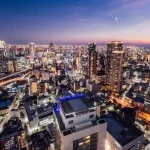
📷 Featured image by Daniel Gregoire on Unsplash.