On this page
- Day 1: Landing and East Tokyo Exploration
- Day 2: Traditional Tokyo Core
- Day 3: Modern Tokyo Heights
- Day 4: Cultural Deep Dive
- Day 5: Day Trip to Mount Fuji or Nikko
- Day 6: Shinjuku and Golden Gai Night Scene
- Day 7: Last-Minute Shopping and Departure Prep
- Getting Around Tokyo: Transportation Essentials
- Where to Stay: Best Areas for First-Timers
- Food Scene Navigation for Beginners
- Budget Breakdown: Real 2026 Costs
- Essential Apps and Tools for Tokyo
- Frequently Asked Questions
💰 Click here to see Japan Budget Breakdown
💰 Prices updated: October, 2026. Budget figures are estimates — always verify before travel.
Exchange Rate: $1 USD = ¥157.00
Daily Budget (per person)
Shoestring: ¥8,000 – ¥15,000 ($50.96 – $95.54)
Mid-range: ¥18,000 – ¥35,000 ($114.65 – $222.93)
Comfortable: ¥45,000 – ¥80,000 ($286.62 – $509.55)
Accommodation (per night)
Hostel/guesthouse: ¥2,500 – ¥6,000 ($15.92 – $38.22)
Mid-range hotel: ¥10,000 – ¥20,000 ($63.69 – $127.39)
Food (per meal)
Budget meal: ¥800.00 ($5.10)
Mid-range meal: ¥2,500.00 ($15.92)
Upscale meal: ¥20,000.00 ($127.39)
Transport
Single metro/bus trip: ¥250.00 ($1.59)
Monthly transport pass: ¥30,000.00 ($191.08)
Tokyo in 2026 feels more accessible than ever, yet first-time visitors still face the same overwhelming question: how do you tackle a city of 14 million people without missing the essentials? With the return of international tourism at full capacity and new infrastructure improvements since the pandemic, Tokyo rewards those who plan strategically while leaving room for spontaneous discoveries.
Day 1: Landing and East Tokyo Exploration
After arriving at Narita or Haneda Airport, head straight to Asakusa—Tokyo’s most approachable neighborhood for jet-lagged newcomers. The area moves at a gentler pace than central Tokyo, giving you time to adjust while experiencing authentic Japanese culture.
Start at Senso-ji Temple, Tokyo’s oldest Buddhist temple dating back to 628 AD. Walk through Nakamise Shopping Street leading to the temple, where the aroma of freshly grilled ningyo-yaki (doll-shaped cakes filled with sweet red bean paste) mingles with incense smoke drifting from the main hall. The vendors here have been perfecting their craft for generations—try the crispy tempura at Daikokuya, operating since 1887.
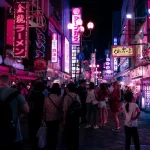
Spend your afternoon in nearby Akihabara, Tokyo’s electronics and anime district. Even if you’re not into gaming, the sensory overload of neon signs, arcade sounds, and themed cafés provides the quintessential “future Tokyo” experience. Browse the massive Yodobashi Camera store for genuine electronics deals, or simply wander the smaller shops selling everything from vintage Game Boys to the latest VR headsets.
End your first day with dinner in a traditional izakaya. Kagari, hidden in a small alley near Tokyo Station, serves what many consider Tokyo’s best chicken-based ramen—the rich, golden broth requires a two-hour preparation process that you can taste in every spoonful.
Day 2: Traditional Tokyo Core
Begin early at the East Gardens of the Imperial Palace, the former site of Edo Castle. These meticulously maintained gardens open at 9 AM and showcase seasonal flowers—in 2026, the cherry blossom season runs slightly later due to climate shifts, often extending into early May.

Walk to Ginza for lunch and window shopping along Tokyo’s most prestigious shopping street. The area transformed significantly in 2025 with new pedestrian zones on weekends, making it more visitor-friendly. Stop at Kyubey, a legendary sushi counter where chef Yoshikazu Ono (son of Jiro Ono) continues the family tradition of perfect sushi preparation.
Spend your afternoon at Tsukiji Outer Market, which remains vibrant despite the main market’s 2018 relocation. The narrow alleys buzz with vendors selling fresh seafood, pickles, and kitchen tools. Try the famous tamago sandwich at Maruko—impossibly fluffy egg salad between milk bread that melts on your tongue.
Day 3: Modern Tokyo Heights
Start at Shibuya Crossing at 10 AM to experience the famous scramble without overwhelming crowds. Take the elevated view from Shibuya Sky observation deck—the 360-degree views now include the completed Shibuya redevelopment project, transforming the area into a vertical city.
Walk 15 minutes to Harajuku, Tokyo’s youth culture epicenter. Takeshita Street pulses with teenagers, street food vendors, and quirky fashion stores. The crepes from Marion Crepes, loaded with fresh fruit and whipped cream, provide the perfect energy boost for exploring.
Spend your afternoon in sophisticated Omotesando, where luxury brands line tree-covered boulevards. The architecture alone justifies the visit—Tadao Ando’s Omotesando Hills shopping complex demonstrates how modern design can enhance rather than compete with natural surroundings.
End at nearby Meiji Shrine, Tokyo’s most important Shinto shrine surrounded by 100,000 trees. The contrast between urban intensity and serene forest creates an almost mystical experience as you walk the gravel paths toward the main shrine buildings.

Day 4: Cultural Deep Dive
Dedicate your morning to Ueno, Tokyo’s cultural district housing multiple world-class museums. The Tokyo National Museum showcases Japanese art spanning 5,000 years, while the nearby Ueno Zoo features giant pandas—always crowd-pleasers.
Walk through Ueno Park to experience hanami (cherry blossom viewing) culture, even outside spring season. The park’s 1,200 cherry trees create beautiful scenery year-round, and you’ll often see locals practicing traditional arts like calligraphy or tea ceremony.
Spend your afternoon in Yanaka, Tokyo’s “old downtown” that survived both the 1923 earthquake and WWII bombing. The narrow streets lined with wooden houses, traditional craft shops, and small temples offer a glimpse of pre-modern Tokyo. Stop at Himitsudo for their famous kakigori (shaved ice)—the delicate ice crystals flavored with seasonal fruit syrups provide perfect refreshment while exploring on foot.
Visit Yanaka Cemetery at sunset, where thousands of cherry trees create a peaceful atmosphere quite different from Tokyo’s bustling streets. The elevated views over traditional rooftops toward Tokyo Skytree provide perspective on how old and new Tokyo coexist.
Day 5: Day Trip to Mount Fuji or Nikko
Choose your adventure based on weather and season. Mount Fuji offers spectacular views from the Fuji Five Lakes region, accessible via direct buses from Shinjuku (2 hours). The best viewing spots include Lake Kawaguchi and the Chureito Pagoda, where Mount Fuji creates a postcard-perfect backdrop.
Alternatively, visit Nikko for UNESCO World Heritage temples set in mountain forests. The Toshogu Shrine complex showcases incredible craftsmanship with its intricate wood carvings and gold leaf decorations. The 2-hour train journey from Tokyo provides scenic mountain views.
Both destinations work well as day trips, but require early departure (7 AM) to maximize your time. Pack lunch or plan to eat at destination—both areas offer excellent local specialties.

Day 6: Shinjuku and Golden Gai Night Scene
Start your day exploring massive Shinjuku, Tokyo’s commercial heart. The JR Shinjuku Station handles 3.6 million passengers daily, making it the world’s busiest train station. Navigate to the observation deck of the Tokyo Metropolitan Government Building for free city views.
Explore the underground shopping network connecting major department stores. This subterranean city spans several kilometers and offers everything from designer boutiques to basement food courts (depachika) featuring the finest prepared foods in Japan.
As evening approaches, head to Golden Gai—a warren of tiny bars, each seating 4-6 people maximum. The neighborhood survived urban development to become Tokyo’s most atmospheric drinking district. Each bar reflects the owner’s personality, from jazz clubs to sake specialists. Expect cover charges (500-1000 JPY) but gain access to authentic local drinking culture where conversations flow as freely as the alcohol.
End with late-night ramen in nearby Memory Lane (Omoide Yokocho), where tiny stalls serve steaming bowls until 3 AM. The smoky atmosphere and shoulder-to-shoulder seating create an unforgettable Tokyo experience.
Day 7: Last-Minute Shopping and Departure Prep
Focus on souvenirs and final experiences. Start at Tokyo Station’s underground shopping area, perfect for purchasing omiyage (gifts) for colleagues and friends. The station’s extensive basement levels house shops selling regional specialties from across Japan—pick up Hokkaido chocolates, Hiroshima momiji manju, or Tokyo banana cakes.
Visit nearby Nihonbashi for traditional crafts and high-quality items. The area houses century-old shops selling everything from handmade paper to kitchen knives that last generations.
Spend your final afternoon in a relaxing location—the East Gardens offer peaceful reflection, or visit a traditional sento (public bath) to unwind before departure. Jakotsuyu in Asakusa provides an authentic bathing experience with mineral-rich waters and traditional architecture.

Getting Around Tokyo: Transportation Essentials
Tokyo’s transport system in 2026 operates with smartphone integration that makes navigation significantly easier than even two years ago. Purchase a 7-day Tokyo Metro Pass (2,800 JPY) covering both Metro and Toei subway lines—sufficient for most tourist destinations.
Download the official Tokyo Metro app for real-time navigation and platform information. The app now includes augmented reality features showing exit directions within stations, eliminating the confusion that previously plagued first-time visitors.
JR Yamanote Line circles central Tokyo, connecting major districts. IC cards (Suica or Pasmo) work on all transport modes including buses, trains, and even some taxis. Load 5,000-10,000 JPY initially—unused amounts are refundable at stations.
Avoid rush hours (7:30-9:30 AM and 5:30-7:30 PM) when possible. Train frequency during off-peak hours averages every 3-5 minutes, making timing less critical than in other major cities.
Where to Stay: Best Areas for First-Timers
Shinjuku offers the most convenient access to transportation with hotels ranging from budget capsules (3,000-5,000 JPY/night) to luxury properties. The area never sleeps, providing 24-hour dining and entertainment options perfect for jet lag adjustment.
Asakusa provides traditional atmosphere with easier navigation and lower prices. Ryokans (traditional inns) in this area offer authentic Japanese experiences including tatami floors and futon beds. Many now provide Western-style breakfast options alongside traditional Japanese meals.
Ginza suits travelers prioritizing luxury and central location. The area’s proximity to Tokyo Station makes airport access simple via direct trains. Hotels here emphasize service excellence and often include concierge services fluent in multiple languages.
Avoid booking accommodations requiring multiple train transfers from major stations. Tokyo’s complexity rewards central locations even at higher cost—time saved on transportation justifies premium pricing.
Food Scene Navigation for Beginners
Tokyo’s 160,000 restaurants can overwhelm first-time visitors, but understanding basic categories simplifies choices. Depachika (department store basement food courts) provide safe introduction to high-quality Japanese cuisine with visual displays making ordering simple.

Conveyor belt sushi (kaiten-zushi) offers affordable, approachable sushi experiences. Plates cost 100-500 JPY each, with color-coding indicating prices. Sushiro and Kura Sushi maintain consistent quality across locations.
Standing bars (tachinomi) provide quick, inexpensive meals and drinks. These establishments focus on efficiency rather than ambiance but deliver authentic local experiences. Most accept cash only.
High-end restaurants require reservations, often weeks in advance. Hotel concierges can assist with bookings and provide guidance on appropriate attire and dining etiquette. Michelin-starred establishments in Tokyo number over 400—more than any other city.
Budget Breakdown: Real 2026 Costs
Budget Travel (per day):
- Accommodation: 3,000-6,000 JPY (hostels, capsule hotels)
- Meals: 2,000-4,000 JPY (convenience stores, chain restaurants)
- Transportation: 800-1,200 JPY (local trains, walking)
- Activities: 500-2,000 JPY (free temples, basic attractions)
- Daily total: 6,300-13,200 JPY
Mid-Range Travel (per day):
- Accommodation: 8,000-15,000 JPY (business hotels, mid-range ryokans)
- Meals: 4,000-8,000 JPY (local restaurants, department store food)
- Transportation: 1,200-2,000 JPY (trains, occasional taxis)
- Activities: 2,000-5,000 JPY (museums, attractions, entertainment)
- Daily total: 15,200-30,000 JPY
Comfortable Travel (per day):
- Accommodation: 20,000-50,000 JPY (luxury hotels, premium ryokans)
- Meals: 10,000-25,000 JPY (fine dining, kaiseki, high-end sushi)
- Transportation: 2,000-5,000 JPY (taxis, private transfers)
- Activities: 5,000-15,000 JPY (exclusive experiences, guided tours)
- Daily total: 37,000-95,000 JPY
Essential Apps and Tools for Tokyo
Google Translate with camera function translates menus and signs instantly. The app’s conversation mode facilitates basic interactions with locals who speak limited English.
Hyperdia provides detailed train schedules and route planning. The app calculates journey times, costs, and platform information for all rail networks in Tokyo.
Tabelog serves as Japan’s equivalent to Yelp, offering restaurant reviews and ratings from locals. The app’s photo features help identify dishes and assess restaurant atmosphere before visiting.

Currency converter apps help with quick price calculations, though most visitors adapt to yen pricing within 2-3 days. Credit cards gained wider acceptance in 2026, but cash remains essential for smaller establishments.
Weather apps prove crucial for planning daily activities—Tokyo’s humidity and sudden rain showers can significantly impact outdoor plans. Pack a compact umbrella regardless of forecast.
Frequently Asked Questions
Do I need to speak Japanese to enjoy Tokyo?
English signage covers most tourist areas, and smartphone translation apps bridge communication gaps effectively. Many younger locals speak conversational English, and gesture-based communication works surprisingly well for basic needs.
How much cash should I carry daily?
Carry 10,000-15,000 JPY in cash for meals, transportation, and small purchases. Many establishments still prefer cash, though credit card acceptance increased significantly in 2026, especially in tourist areas.
Is Tokyo safe for solo travelers?
Tokyo ranks among the world’s safest major cities with extremely low crime rates. Women traveling alone report feeling comfortable walking at night, though basic precautions apply in entertainment districts.
What’s the best time to visit major attractions?
Early morning (8-10 AM) or late afternoon (4-6 PM) offer smaller crowds and better photo opportunities. Popular temples and shrines experience heaviest traffic between 11 AM and 3 PM.
How far in advance should I make restaurant reservations?
High-end restaurants require 2-4 weeks advance booking, while mid-range establishments accept same-day reservations. Hotel concierges can assist with bookings and provide alternative suggestions if preferred restaurants are fully booked.
Explore more
Tokyo Itinerary: The Ultimate 7-Day Guide for First-Time Visitors
Tokyo First-Timer Itinerary: The Ultimate Guide to Must-See Sights
The Ultimate List of Things to Do in Tokyo for First-Time Visitors
📷 Featured image by Varun Goregaonkar on Unsplash.