On this page
- Planning Your Tokyo Adventure: Route Logistics and Timing
- Day 1: Traditional Tokyo – Temples, Gardens, and Imperial Grandeur
- Day 2: Modern Marvels – Shibuya, Harajuku, and Shinjuku
- Day 3: Cultural Immersion in Asakusa and Ueno
- Day 4: Tokyo’s Cutting Edge – Ginza, Tsukiji, and TeamLab
- Budget Breakdown: What Tokyo Really Costs in 2026
- Frequently Asked Questions
💰 Click here to see Japan Budget Breakdown
💰 Prices updated: October, 2026. Budget figures are estimates — always verify before travel.
Exchange Rate: $1 USD = ¥157.00
Daily Budget (per person)
Shoestring: ¥8,000 – ¥15,000 ($50.96 – $95.54)
Mid-range: ¥18,000 – ¥35,000 ($114.65 – $222.93)
Comfortable: ¥45,000 – ¥80,000 ($286.62 – $509.55)
Accommodation (per night)
Hostel/guesthouse: ¥2,500 – ¥6,000 ($15.92 – $38.22)
Mid-range hotel: ¥10,000 – ¥20,000 ($63.69 – $127.39)
Food (per meal)
Budget meal: ¥800.00 ($5.10)
Mid-range meal: ¥2,500.00 ($15.92)
Upscale meal: ¥20,000.00 ($127.39)
Transport
Single metro/bus trip: ¥250.00 ($1.59)
Monthly transport pass: ¥30,000.00 ($191.08)
Tokyo in 2026 feels both more accessible and more overwhelming than ever. The JR Pass price hike to ¥80,000 for 14 days has shifted budget calculations, while new Yamanote Line stations and expanded English signage make navigation easier. This four-day framework cuts through the noise, focusing on experiences that justify your investment in one of the world’s most expensive cities.
Planning Your Tokyo Adventure: Route Logistics and Timing
First-time visitors often underestimate Tokyo’s sheer scale. The metropolitan area spans 2,194 square kilometres with 23 special wards, each functioning like a separate city. Your success depends on clustering attractions geographically rather than theme-jumping across districts.
Start planning around train lines. The circular Yamanote Line connects major hubs every 3-5 minutes, while the newer Ginza and Marunouchi subway lines slice efficiently through central Tokyo. Download Google Translate with camera function and Hyperdia for real-time train schedules — both essential for 2026 travel.
Timing matters critically. Rush hours (7:30-9:30 AM and 5:30-7:30 PM) turn stations into human rivers. Many temples open at 6:00 AM, offering serene morning experiences before crowds arrive. Museums typically close Mondays or Tuesdays, while department stores in Ginza don’t open until 10:30 AM.
Book accommodation near a major JR station. Shinjuku, Shibuya, or Tokyo Station provide direct access to everything without complex transfers. Reserve dinner restaurants minimum one week ahead — popular spots fill completely, especially for weekend bookings.
Day 1: Traditional Tokyo – Temples, Gardens, and Imperial Grandeur
Begin at Meiji Shrine before 8:00 AM. The forest pathway crunches softly underfoot with fallen leaves, while morning light filters through towering camphor trees that have grown wild since the 1920s. This 175-acre sanctuary sits impossibly in central Shibuya, offering spiritual calm before urban intensity.

Walk through Omotesando’s architectural showcase — Tadao Ando’s concrete curves housing Prada, Herzog & de Meuron’s crystalline Prada building, and SANAA’s ethereal Dior flagship. Architecture enthusiasts should allocate 90 minutes for serious observation.
Take the Marunouchi Line to Tokyo Station for the East Gardens of the Imperial Palace. These meticulously maintained grounds showcase seasonal plantings — cherry blossoms in spring, maple leaves in autumn, precise geometric patterns year-round. The ruins of Edo Castle provide historical context for Tokyo’s transformation from shogun capital to modern metropolis.
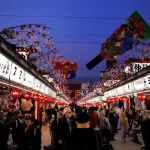
End at Senso-ji Temple in Asakusa via the Ginza Line. Approach through Nakamise Shopping Street, where the scent of freshly grilled ningyo-yaki (doll-shaped pastries) fills narrow lanes lined with traditional craft shops. The temple’s main hall, rebuilt after WWII bombing, maintains spiritual significance dating to 628 AD.
Day 2: Modern Marvels – Shibuya, Harajuku, and Shinjuku
Start at Shibuya Crossing at 7:00 AM to experience the choreography without chaos. From Shibuya Sky rooftop observation deck (¥2,000), Tokyo spreads endlessly — a concrete ocean punctuated by green parks and glittering towers. The 360-degree views reveal the city’s impossible density.
Walk to Harajuku’s Takeshita Street by 9:00 AM. This pedestrian-only lane explodes with youth culture — towering cotton candy sculptures, vintage clothing stores, and crepe stands serving elaborate sweet creations. Cat Street offers more sophisticated shopping with independent boutiques and international brands.
Transition to Shinjuku by 2:00 PM. The east side hosts massive department stores like Lumine and Takashimaya Times Square. The west side features government buildings and Park Hyatt Tokyo from “Lost in Translation.” Climb to the free observation deck in the Tokyo Metropolitan Government Building for western Tokyo panoramas.
Conclude in Shinjuku’s Omoide Yokocho (Memory Lane) after 6:00 PM. These narrow alleys house yakitori stands barely wider than phone booths, where grilled chicken smoke mingles with shochu fumes and animated conversations spill onto cobblestones. This represents Tokyo’s working-class soul unchanged since the 1960s.

Day 3: Cultural Immersion in Asakusa and Ueno
Begin at Ueno Park by 8:30 AM for museum concentration unmatched in Asia. Tokyo National Museum houses the world’s finest collection of Japanese art, including samurai swords, Buddhist sculptures, and painted scrolls spanning 1,500 years. Allow minimum three hours for highlights.
The nearby National Museum of Western Art displays Rodin sculptures and Impressionist paintings in Le Corbusier’s concrete masterpiece. Ueno Zoo, Japan’s oldest, houses giant pandas that draw massive weekend crowds — weekday visits prove far more pleasant.
Take the Yamanote Line to Nippori Station for a 20-minute walk through Yanaka, Tokyo’s most preserved historical neighborhood. Wooden houses line narrow streets where cats nap on traditional roof tiles and artisan workshops sell hand-crafted ceramics. The district survived WWII bombing, maintaining Edo period atmosphere.
Return to Asakusa for deeper exploration. Hanayashiki Amusement Park, dating to 1853, operates vintage rides including a wooden roller coaster and 1950s-era attractions. The contrast with ultra-modern Tokyo proves striking.
Experience a traditional bathhouse at Jakotsu-yu, established in 1926. The public sento features hand-painted Mount Fuji murals and mineral-rich water heated to exactly 42°C. Evening hours (6:00-9:00 PM) attract neighborhood regulars sharing daily routines unchanged for decades.
Day 4: Tokyo’s Cutting Edge – Ginza, Tsukiji, and TeamLab
Start at Tsukiji Outer Market by 6:00 AM for peak freshness. While the famous tuna auctions moved to Toyosu in 2018, dozens of specialty vendors still operate from original locations. Order tuna sashimi breakfast at Daiwa Sushi or Jiro’s satellite shop, where fish arrives directly from morning auctions.
Explore tool shops and knife specialists lining Tsukiji’s narrow lanes. Aritsugu sells hand-forged knives used by Tokyo’s top chefs, while dried goods vendors offer seaweed varieties impossible to find elsewhere. The concentrated expertise represents centuries of culinary tradition.

Take the Hibiya Line to Ginza for luxury shopping and architectural tours. The Ginza Six complex houses avant-garde art installations alongside flagship stores. Department store basement food courts (depachika) showcase exquisite prepared foods — perfect for understanding Japanese culinary aesthetics.
End at teamLab Borderless in Odaiba (advance booking essential, ¥3,200). This digital art museum creates immersive environments where projected butterflies land on visitors and flowers bloom across walls responding to movement. The experience defies description — pure visual wonder spanning multiple interconnected rooms.
The nearby Palette Town ferris wheel offers Tokyo Bay views at sunset, when the city transforms into a glittering circuit board stretching to horizon mountains. Rainbow Bridge illumination begins at 6:00 PM, creating perfect photo opportunities.
Budget Breakdown: What Tokyo Really Costs in 2026
Budget Traveler (¥8,000-12,000 daily):
Hostel bed in shared room: ¥3,000-4,500
Convenience store meals: ¥1,500-2,500
Local train day pass: ¥1,500
Basic temple/park admissions: ¥500-1,000
Simple dinner (ramen/gyudon): ¥800-1,200
Mid-Range Comfort (¥15,000-25,000 daily):
Business hotel private room: ¥8,000-12,000
Mixed restaurant meals: ¥4,000-6,000
Transportation with some taxis: ¥2,000-3,000
Museum admissions: ¥1,000-2,000
Quality dinner with drinks: ¥4,000-6,000
Comfortable Experience (¥30,000+ daily):
Luxury hotel in central location: ¥15,000-25,000
High-end restaurant experiences: ¥8,000-15,000
Private transportation/guided tours: ¥5,000-8,000
Premium experiences (teamLab, etc.): ¥3,000-5,000
Shopping and souvenirs: Variable
Cash remains essential. Many restaurants, small shops, and train ticket machines don’t accept cards. Withdraw from 7-Eleven ATMs, which charge minimal fees and operate 24 hours.
Frequently Asked Questions
Do I need to book attractions in advance?
TeamLab Borderless requires advance booking (often sells out weeks ahead). Most temples and parks accept walk-ins, but Tokyo Skytree and popular museums offer timed entry tickets to avoid queues during peak seasons.
How much cash should I carry daily?
Carry ¥10,000-15,000 in cash daily. Many restaurants, small shops, and ticket machines remain cash-only despite increased card acceptance in major retail areas. 7-Eleven ATMs provide reliable access throughout the city.

Is the JR Pass worth it for Tokyo-only travel?
No, not since 2024 price increases. The ¥80,000 14-day pass only benefits multi-city travel including bullet trains. For Tokyo exploration, use daily subway passes (¥1,500) and individual JR tickets for better value.
What’s the best time to visit popular attractions?
Early morning (before 9:00 AM) or late afternoon (after 4:00 PM) avoid peak crowds. Temples open at 6:00 AM for peaceful experiences. Weekend mornings see fewer tourists at major attractions compared to afternoons.
How do I handle language barriers in 2026?
Google Translate with camera function translates signs instantly. Most train stations and tourist areas feature extensive English signage added since 2020. Restaurant staff often speak basic English, and pointing at picture menus works universally.
Explore more
The Ultimate List of Things to Do in Tokyo for First-Time Visitors
Tokyo Itinerary: The Ultimate 7-Day Guide for First-Time Visitors
First Time in Tokyo? Your Perfect 7-Day Itinerary & Travel Guide
📷 Featured image by Pema G. Lama on Unsplash.