On this page
- Traditional Craft Shopping in Mountain Villages
- Sake Brewery Districts and Regional Alcohol Markets
- Agricultural Product Centers and Farmers’ Markets
- Artisan Workshops and Made-to-Order Experiences
- Regional Department Stores and Local Brand Collections
- Seasonal Festival Markets and Pop-Up Shopping
- Budget Breakdown for Regional Shopping Adventures
- Frequently Asked Questions
💰 Click here to see Japan Budget Breakdown
💰 Prices updated: October, 2026. Budget figures are estimates — always verify before travel.
Exchange Rate: $1 USD = ¥157.00
Daily Budget (per person)
Shoestring: ¥8,000 – ¥15,000 ($50.96 – $95.54)
Mid-range: ¥18,000 – ¥35,000 ($114.65 – $222.93)
Comfortable: ¥45,000 – ¥80,000 ($286.62 – $509.55)
Accommodation (per night)
Hostel/guesthouse: ¥2,500 – ¥6,000 ($15.92 – $38.22)
Mid-range hotel: ¥10,000 – ¥20,000 ($63.69 – $127.39)
Food (per meal)
Budget meal: ¥800.00 ($5.10)
Mid-range meal: ¥2,500.00 ($15.92)
Upscale meal: ¥20,000.00 ($127.39)
Transport
Single metro/bus trip: ¥250.00 ($1.59)
Monthly transport pass: ¥30,000.00 ($191.08)
While Tokyo’s Shibuya and Osaka’s Dotonbori dominate Instagram feeds, Japan‘s true shopping treasures lie scattered across rural prefectures where centuries-old craft traditions meet modern consumer culture. In 2026, improved regional transportation and digital payment systems have made these authentic shopping experiences more accessible than ever, yet they remain largely undiscovered by international visitors fixated on urban department stores.
Traditional Craft Shopping in Mountain Villages
The mountain villages of Gifu Prefecture house some of Japan’s most extraordinary craft shopping experiences. In Takayama’s Sanmachi Suji district, wooden storefronts unchanged since the Edo period sell handcrafted lacquerware that requires six months to complete a single bowl. The deep red urushi coating gleams under traditional paper lanterns, while artisans demonstrate the 20-step process that creates these masterpieces.
Shirakawa-go offers a different treasure: handwoven textiles created on looms passed down through eight generations. At the Wada family’s workshop, you can purchase silk scarves dyed with local mountain plants, each piece carrying the distinct patterns that identify specific family lineages. The gentle clicking of wooden looms provides a meditative soundtrack as elderly women work threads into intricate designs.
The pottery villages surrounding Mount Fuji present another dimension of authentic craft shopping. Mashiko, famous for its earthy ceramic traditions, hosts over 30 independent pottery studios where you can purchase tea bowls directly from the artist’s hands, still warm from the kiln. These pieces, priced between ¥3,000-¥15,000, carry the irregular beauty that mass production cannot replicate.
Sake Brewery Districts and Regional Alcohol Markets
Fushimi district in southern Kyoto transforms into a liquid shopping paradise along the Katsura River. Twenty-three breweries cluster within walking distance, each offering exclusive bottles unavailable outside their immediate region. The crystalline underground springs that feed these breweries create sake with mineral profiles impossible to replicate elsewhere.

Gekkeikan’s massive warehouse stores provide entry-level exploration with tastings of junmai varieties ranging from ¥800-¥3,500 per bottle. However, the real discoveries happen at micro-breweries like Kinoe-Nishiki, where the master brewer personally selects bottles based on your flavor preferences. Their seasonal releases, limited to 500 bottles annually, command ¥8,000-¥12,000 but represent liquid history bottled at peak perfection.
Niigata Prefecture’s Echigo-Yuzawa region specializes in snow-aged sake, stored in underground chambers where consistent temperatures create impossibly smooth textures. The annual Snow Country Sake Festival in February showcases over 100 local varieties, with on-site purchasing opportunities for bottles that never reach Tokyo retailers.
Shochu enthusiasts should explore Kagoshima’s distillery districts where sweet potato varieties create distinctly regional flavors. Direct-from-distillery purchases often include personalized bottles with your name etched in traditional calligraphy for an additional ¥2,000-¥4,000.
Agricultural Product Centers and Farmers’ Markets
Hokkaido’s road-side agricultural centers revolutionize the concept of farmers’ markets. These massive warehouses, called “michi-no-eki,” function as one-stop shopping destinations for the island’s incredible agricultural bounty. The Furano Marche showcases the region’s famous lavender honey, available in varieties impossible to find elsewhere: acacia blossom (¥1,200), wild flower blend (¥1,800), and pure lavender essence (¥3,200).
The sweet corn sold at these centers, picked that morning and sold by 2 PM, delivers sugar content so intense it tastes like candy. Vendors demonstrate proper eating technique: raw kernels bitten directly from the cob, the natural sugars creating an almost effervescent sensation on your tongue.
Kumamoto Prefecture’s JA agricultural cooperatives offer a different approach to farm-fresh shopping. Their massive warehouse-style markets sell specialty items like Aso region milk bread (¥650 per loaf), made from volcanic soil-fed cattle, and horse sashimi preparation kits with detailed instructions in multiple languages.

Wakayama’s plum orchards provide seasonal shopping experiences centered around umeboshi production. During harvest season (May-June), visitors can purchase fresh ume fruits and traditional preparation supplies, learning the month-long pickling process that creates these intensely sour preserved plums. Complete starter kits cost ¥4,500-¥7,000.
Seasonal Specialty Windows
Agricultural shopping in regional Japan follows strict seasonal availability that urban supermarkets cannot replicate. Spring brings bamboo shoot markets in Kyoto’s Arashiyama district, where vendors sell fresh takenoko within hours of harvesting. Summer unlocks Okayama’s white peach orchards, offering fruit so delicate it requires individual foam wrapping.
Autumn transforms Aomori into apple paradise, with over 40 varieties available for direct purchase from orchards. The Mutsu apples, weighing up to 500 grams each, cost ¥800-¥1,200 per fruit but deliver honey-like sweetness impossible to achieve through commercial growing methods.
Artisan Workshops and Made-to-Order Experiences
Regional Japan’s workshops offer shopping experiences that blur the line between purchase and performance art. In Kanazawa, gold leaf application workshops allow you to create personalized items while learning techniques perfected over 400 years. The delicate sheets of 24-karat gold, thinner than tissue paper, require steady hands and patient movements as they’re applied to lacquered surfaces.
Bizen pottery workshops in Okayama Prefecture provide eight-hour experiences where you create functional pieces under master guidance. The distinctive reddish-brown clay, fired without glazes, develops unique patterns based on flame patterns and ash deposits. Your completed piece, ready for pickup after six weeks, carries firing marks that guarantee complete uniqueness.
Kumihimo braiding workshops in rural Nara Prefecture teach the intricate cord-making techniques used in traditional sword binding and obi ties. These hands-on sessions, priced at ¥8,000-¥15,000 depending on complexity, result in custom-made accessories incorporating your color preferences and personal measurements.
Indigo dyeing workshops in Tokushima Prefecture utilize fermentation vats maintained continuously for over 200 years. The living indigo cultures create color variations impossible through synthetic processes. Workshop participants can dye personal clothing items or purchase pre-made textiles with patterns that shift from deep navy to electric blue depending on light conditions.

Regional Department Stores and Local Brand Collections
Regional department stores serve as cultural ambassadors for local shopping, curating collections unavailable in national chains. Fukuoka’s Iwataya showcases Kyushu-specific brands like Hakata dolls and Imari porcelain alongside contemporary designers who incorporate regional motifs into modern fashion.
Sendai’s Fujisaki department store dedicates entire floors to Tohoku region specialties, from Kokeshi dolls crafted in nearby mountain villages to modern interpretations of traditional textiles. Their basement food courts feature regional delicacies like Sendai beef jerky (¥2,800 per 100g) and Date masamune-themed confections.
Hiroshima’s Fukuya department store maintains Japan’s largest selection of peace-themed merchandise, from contemporary art incorporating origami crane motifs to fashion lines designed by atomic bomb survivors. These items, ranging from ¥1,500-¥25,000, carry profound cultural significance beyond their aesthetic appeal.
Okinawa’s Ryubo department stores specialize in subtropical lifestyle products impossible to find on the main islands. Their textile sections feature bingata-dyed fabrics with color combinations inspired by coral reefs, while their accessory departments showcase pearl jewelry harvested from local waters.
Exclusive Regional Collaborations
Many regional department stores partner with local artisans for exclusive product lines. Kanazawa’s Daiwa creates limited-edition kimono incorporating real gold thread produced by the city’s gold leaf artisans. These pieces, costing ¥180,000-¥400,000, represent collaborations between traditional crafts and contemporary fashion design.
Takayama’s various department stores commission furniture makers to create modern pieces using traditional joinery techniques. These items, from coffee tables to room dividers, showcase the precision woodworking that built the region’s famous temples and shrines.
Seasonal Festival Markets and Pop-Up Shopping

Regional festivals transform ordinary towns into temporary shopping wonderlands featuring items available nowhere else. The Awa Odori festival in Tokushima creates pop-up markets selling handmade festival costumes, from basic cotton yukata (¥8,000-¥12,000) to elaborate silk ensembles with custom embroidery (¥45,000-¥80,000).
Aomori’s Nebuta Festival spawns temporary markets featuring miniature versions of the massive illuminated floats. These intricate paper sculptures, ranging from desk-sized models (¥3,500) to room-filling installations (¥25,000), require months of preparation and showcase techniques passed down through family lineages.
The Gion Matsuri in Kyoto extends beyond the famous parade, creating month-long shopping opportunities in traditional craft districts. Neighborhood workshops open their doors, selling items typically reserved for wholesale buyers: professional-grade makeup brushes (¥15,000-¥30,000), handmade silk flowers for hair ornaments (¥5,000-¥12,000), and textile samples from kimono production.
Takayama’s morning markets, operating year-round but expanding dramatically during autumn festivals, feature items that reflect seasonal changes. Spring brings wild mountain vegetables (sansai) prepared using traditional preservation methods, while autumn showcases mushroom varieties that grow only in specific elevation ranges around the Japan Alps.
Winter Illumination Shopping
Winter illumination events across regional Japan create unique shopping atmospheres. Shirakawa-go’s light-up events feature vendors selling warming foods and handcrafted items designed for harsh mountain winters. Thick wool mittens knitted with traditional patterns cost ¥2,800-¥4,200, while snow boots crafted from local leather range from ¥18,000-¥28,000.
The Sapporo Snow Festival creates temporary shopping villages featuring Hokkaido-specific winter gear impossible to find during other seasons. Ice fishing equipment, snow sculpture tools, and specialized winter photography accessories cater to activities unique to Japan’s northernmost regions.
Budget Breakdown for Regional Shopping Adventures
Regional shopping requires different budgeting approaches than urban retail therapy, with transportation often representing significant portions of total costs while individual purchases offer exceptional value compared to city prices.
Budget Tier (¥8,000-¥15,000 daily)
Budget regional shopping focuses on agricultural products, basic crafts, and market finds. Local bus passes (¥1,000-¥1,500 per day) provide access to farmers’ markets where fresh produce costs 40-60% less than Tokyo prices. Regional specialties like local honey (¥800-¥1,500), pickled vegetables (¥600-¥1,200), and basic pottery pieces (¥2,000-¥5,000) fit comfortably within budget parameters.

Youth hostels in rural areas (¥2,500-¥4,000 per night) often provide detailed local shopping guides and sometimes offer group transportation to craft workshops. Convenience store meals supplemented with fresh market purchases keep food costs under ¥2,000 daily.
Mid-Range Tier (¥15,000-¥30,000 daily)
Mid-range budgets unlock workshop experiences and higher-quality craft purchases. Pottery workshops (¥8,000-¥12,000) or textile dyeing experiences (¥6,000-¥10,000) provide hands-on shopping combined with cultural education. Car rental (¥6,000-¥8,000 per day plus fuel) enables access to remote workshops and seasonal markets impossible to reach by public transportation.
Business hotels (¥7,000-¥12,000 per night) often partner with local artisan networks, providing shopping discounts and transportation arrangements. Restaurant meals featuring local ingredients (¥3,000-¥5,000 per meal) complement shopping experiences while supporting regional food culture.
Comfortable Tier (¥30,000+ daily)
Comfortable budgets enable personalized shopping experiences and commissioned artisan work. Private workshop sessions with master craftspeople (¥25,000-¥50,000) create one-of-a-kind pieces tailored to specific preferences. Same-day delivery services for fragile items (¥3,000-¥8,000) ensure safe transport of delicate purchases.
Ryokan accommodations (¥15,000-¥40,000 per night) often arrange private shopping tours and provide cultural context for regional specialties. Multi-course kaiseki meals (¥8,000-¥15,000) showcase ingredients and preparation methods that inspire informed shopping decisions for culinary products.
Frequently Asked Questions
Do regional shops accept credit cards in 2026?
Most established shops and all department stores accept major credit cards, but many small artisan workshops and farmers’ markets remain cash-only. Always carry at least ¥10,000 in cash for rural shopping excursions.
How can I ship fragile items like pottery safely?
Most craft shops offer professional shipping services using specialized packaging for ceramics and glassware. Domestic shipping costs ¥1,000-¥2,500, while international shipping ranges from ¥3,000-¥8,000 depending on size and destination.

When are regional farmers’ markets typically open?
Most farmers’ markets operate early morning to mid-afternoon, typically 6 AM to 2 PM. Weekend markets often feature expanded selections, but weekday visits offer better interaction opportunities with individual farmers and artisans.
Can I visit artisan workshops without advance reservations?
Many workshops welcome walk-in visitors for shopping, but hands-on experiences typically require advance booking. Contact workshops 2-7 days ahead through local tourism offices or hotel concierge services for experience reservations.
What’s the best way to discover seasonal shopping opportunities?
Regional tourism websites maintain updated calendars of seasonal markets and craft fairs. Local train stations often display posters for upcoming shopping events, while tourist information centers provide detailed schedules for seasonal specialties.
Explore more
Where to Go in Japan Beyond Tokyo & Kyoto for Authentic Experiences?
Beyond Tokyo & Kyoto: Uncovering Japan’s Most Authentic Regional Experiences
Japan’s Hidden Gems: Discover Unforgettable Regional Adventures
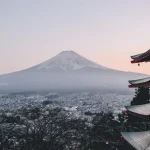
📷 Featured image by Hoyoun Lee on Unsplash.