On this page
- Sakura Season Culinary Traditions: Cherry Blossom-Inspired Foods and Drinks
- Fresh Spring Vegetables: What’s Peak Season in April Markets
- Hanami Food Culture: Traditional Picnic Foods and Modern Takes
- Regional Spring Specialties: Prefecture-Specific April Delicacies
- Spring Sweets and Wagashi: Seasonal Confections You’ll Only Find Now
- Where to Find the Best Spring Flavors: Markets, Restaurants, and Food Events
- Budget Breakdown: What Spring Dining Costs in 2026
- Frequently Asked Questions
Japan’s spring dining scene in April 2026 offers more than just visual beauty—it’s a culinary awakening after winter’s hearty comfort foods. With cherry blossoms blooming nationwide and the first truly warm days arriving, restaurants shift their menus to celebrate the season’s delicate flavors, while street vendors offer treats you’ll only find during these precious few weeks.
Sakura Season Culinary Traditions: Cherry Blossom-Inspired Foods and Drinks
The ethereal pink petals of cherry blossoms inspire an entire category of seasonal foods that appear in shops and restaurants throughout April. Sakura mochi wraps sweet red bean paste in a delicate rice cake, then encases it in a pickled cherry blossom leaf that adds a subtle floral note and gentle saltiness. The leaf is edible, though many Japanese diners remove it—both approaches are perfectly acceptable.
Sakura-flavored Kit Kats return to convenience stores each spring, offering a uniquely Japanese twist on the familiar chocolate bar. The flavor balances sweet and floral notes without becoming overpowering, unlike many Western interpretations of cherry blossom. Department store basement food courts showcase sakura-themed versions of traditional sweets, from pink-tinted taiyaki fish cakes to delicate sakura ice cream.
Japanese breweries release limited-edition sakura beers each April, often incorporating actual cherry blossom petals in the brewing process. These pale, light beers pair beautifully with hanami picnics. Many sake producers also offer seasonal varieties featuring cherry blossom essence or petals floating in the bottle—purely decorative but symbolically important for spring celebrations.
Fresh Spring Vegetables: What’s Peak Season in April Markets
April markets burst with spring vegetables that define Japanese seasonal cooking. Takenoko (bamboo shoots) reach peak freshness, appearing in everything from tempura to traditional nimono stewed dishes. Fresh bamboo shoots have a crisp texture and subtle, almost nutty flavor that pairs perfectly with the light broths favored in spring cooking.

Sansai (mountain vegetables) like warabi (bracken fiddleheads), zenmai (royal fern), and kogomi (ostrich fern) appear in rural markets and high-end restaurants. These foraged greens carry an earthy, slightly bitter taste that Japanese cuisine celebrates as a counterpoint to winter’s rich flavors. They’re often prepared simply—blanched and served with sesame dressing or incorporated into clear soups.
New potatoes, carrots, and cabbage arrive with noticeably sweeter flavors than their winter counterparts. Japanese chefs prize these for their tenderness and natural sweetness, often preparing them with minimal seasoning to highlight their inherent flavors. Spring onions reach their peak in April, featuring in everything from yakitori to delicate seafood dishes.
Nanohana (canola flower buds) bloom in fields across Japan and appear on restaurant menus as a distinctly spring vegetable. The slightly bitter green tops are blanched and served as a side dish or incorporated into chirashi sushi bowls, providing a colorful reminder of the season’s agricultural awakening.
Hanami Food Culture: Traditional Picnic Foods and Modern Takes
Hanami picnics represent one of Japan’s most cherished spring traditions, with specific foods designed for outdoor eating under blooming cherry trees. Onigiri rice balls filled with salmon, pickled plum, or seasoned seaweed provide portable, satisfying sustenance that won’t spoil in April’s mild temperatures. The triangular shape makes them easy to eat while sitting on blue tarps spread beneath the trees.
Bento boxes reach artistic heights during hanami season, with mothers and restaurants creating elaborate compartmentalized meals featuring seasonal ingredients arranged in colorful patterns. Traditional hanami bento includes tamagoyaki sweet rolled omelets, pickled vegetables in spring colors, and small portions of grilled fish or chicken. The visual presentation matters as much as the taste—each element carefully chosen for both flavor and appearance.

Modern hanami culture embraces convenience store offerings that didn’t exist decades ago. Combini chains create special hanami sets featuring pre-made foods perfect for outdoor dining: sakura-themed sandwiches, seasonal salads, and coordinated drinks. These sets typically cost between ¥800-¥1,500 and eliminate the preparation time traditional hanami foods require.
Karaage fried chicken has become a modern hanami staple, easy to share and delicious at room temperature. Many families now supplement traditional foods with store-bought karaage, creating a fusion of old and new that reflects contemporary Japanese life. The crispy coating and juicy interior make it ideal for outdoor dining, while the familiar flavor appeals to all ages.
Regional Hanami Specialties
Different regions add local specialties to hanami traditions. Kansai hanami often features takoyaki octopus balls from street vendors stationed near popular cherry blossom viewing spots. Tokyo hanami-goers frequently include yakitori grilled chicken skewers, easily purchased from vendors or convenience stores. Kyoto adds traditional kaiseki elements to hanami bento, reflecting the city’s refined culinary heritage.
Regional Spring Specialties: Prefecture-Specific April Delicacies
Each Japanese region celebrates spring with distinctive local foods that reach their peak in April. Kyoto’s kaiseki restaurants feature hamo (pike conger eel) prepared in delicate spring preparations, often served in clear broths that highlight the season’s clean, fresh aesthetic. The eel’s subtle flavor pairs beautifully with spring vegetables and light seasonings.
Hokkaido’s April brings the first asparagus of the season, thick spears with incredible sweetness served simply grilled or steamed. Many restaurants feature Hokkaido asparagus as a special spring menu item, often paired with hollandaise or just a touch of salt to highlight the vegetable’s natural flavor. The northern island’s cool climate produces asparagus with exceptional texture and taste.

Shizuoka Prefecture celebrates spring with the new tea harvest, producing shincha (new tea) with bright, grassy flavors distinct from tea processed later in the year. Tea ceremonies and tastings throughout April showcase these first-flush teas, which command premium prices for their delicate flavor profiles. The fresh leaves create a vibrant green color and clean finish that epitomizes spring.
Wakayama Prefecture features spring’s first bonito (katsuo) catches, prepared as tataki with a lightly seared exterior and raw interior. The fish’s rich, meaty texture contrasts beautifully with spring’s lighter flavors, often served with fresh ginger and soy sauce. Bonito reaches peak flavor in spring after winter feeding, making April an ideal time to experience this regional specialty.
Mountain Region Specialties
Mountainous prefectures like Nagano and Gifu feature sansai cuisine using foraged mountain vegetables. Local restaurants serve elaborate kaiseki meals built around these wild plants, often accompanied by clear mountain stream water served alongside the meal. The clean flavors reflect the mountain environment and seasonal transition.
Spring Sweets and Wagashi: Seasonal Confections You’ll Only Find Now
Japanese confectionery reaches artistic peaks during spring season, with wagashi artisans creating edible representations of cherry blossoms, spring rain, and emerging leaves. Sakura-mochi variations appear nationwide, but each region adds distinctive touches—Kansai versions use shiratama rice flour for a chewier texture, while Tokyo versions prefer smoother, more delicate preparations.
Kashiwa-mochi appears specifically for Children’s Day preparation in early May, but April offers the best selection as confectioners perfect their recipes. These rice cakes wrapped in oak leaves feature sweet red bean or white bean paste, with the leaves adding subtle flavor and preventing the mochi from drying out. Unlike sakura leaves, kashiwa leaves aren’t typically eaten.

Warabi-mochi reaches peak season in April, featuring bracken starch formed into translucent, jelly-like cubes dusted with kinako roasted soybean flour. The delicate sweetness and unique texture is unlike Western desserts—simultaneously firm and yielding. These desserts require same-day consumption for optimal texture and flavor.
Strawberry daifuku combines Western-style strawberries with traditional mochi in a seasonal fusion that’s become a spring standard. The contrast between the sweet, juicy berry and the subtle rice cake creates a perfect balance, while the white mochi exterior showcases the red berry within.
Department Store Seasonal Displays
Major department stores create elaborate seasonal confectionery displays throughout April, featuring limited-edition collaborations between traditional confectioners and modern pastry chefs. These displays often include items available only during cherry blossom season, with some pieces priced as luxury gifts rather than casual treats.
Where to Find the Best Spring Flavors: Markets, Restaurants, and Food Events
Tsukiji Outer Market remains Tokyo’s premier destination for seasonal ingredients, with vendors offering the freshest spring vegetables, seafood, and specialty items throughout April. Early morning visits between 6-8 AM provide access to the best selection before items sell out. Many vendors offer samples and cooking advice for unfamiliar spring vegetables.
Kyoto’s Nishiki Market showcases traditional spring ingredients alongside seasonal sweets from local confectioners. The narrow market creates an intimate atmosphere where vendors explain seasonal ingredients and preparation methods. Many shops offer seasonal tastings, particularly for spring teas and traditional sweets.
Department store depachika (basement food courts) in major cities curate exceptional selections of seasonal foods from across Japan. These spaces combine convenience with quality, offering everything from regional specialties to seasonal bento boxes. The presentation standards rival high-end restaurants, with careful attention to seasonal aesthetics.
Many restaurants throughout Japan feature special spring menus (haru no kaiseki) available only during April and early May. These multi-course meals celebrate seasonal ingredients through traditional techniques and artistic presentation. Reservations often require several days’ advance notice, particularly at respected establishments.

Regional Food Festivals
Local spring festivals throughout Japan feature regional specialties and seasonal foods. These events provide opportunities to taste local preparations of spring ingredients alongside traditional festival foods. Many occur on weekends throughout April, coordinated with local cherry blossom viewing seasons.
Budget Breakdown: What Spring Dining Costs in 2026
Spring dining in Japan spans a wide price range depending on your choices and preferences. Understanding current costs helps plan an appropriate food budget for April 2026 travel.
Budget Dining (¥3,000-¥5,000 per day)
Convenience store meals and casual restaurants provide satisfying spring flavors without premium prices. Combini hanami sets cost ¥800-¥1,500, while spring-themed onigiri range from ¥150-¥300 each. Casual restaurants offering spring vegetables in teishoku sets typically charge ¥1,200-¥1,800 per meal. Sakura-flavored desserts from convenience stores cost ¥200-¥400.
Market stalls and street vendors offer seasonal treats at accessible prices. Taiyaki with seasonal fillings cost ¥200-¥350, while traditional wagashi from neighborhood shops range from ¥300-¥600 per piece. Spring-themed beverages including sakura lattes and seasonal sodas cost ¥250-¥500.
Mid-Range Dining (¥6,000-¥12,000 per day)
Mid-range restaurants feature seasonal ingredients in thoughtfully prepared dishes. Lunch kaiseki featuring spring vegetables typically costs ¥3,000-¥5,000, while dinner versions range from ¥6,000-¥10,000. Quality sushi restaurants incorporating spring fish and vegetables charge ¥4,000-¥8,000 for lunch sets.
Department store restaurant floors offer seasonal menus at moderate prices, typically ¥2,500-¥4,000 for lunch and ¥4,000-¥7,000 for dinner. These establishments often provide excellent value with careful presentation and quality ingredients.
Premium Dining (¥15,000+ per day)
High-end restaurants create elaborate spring celebrations through expensive seasonal ingredients and artistic presentation. Multi-course kaiseki dinners at renowned establishments range from ¥15,000-¥30,000 per person, featuring rare spring vegetables, premium seafood, and seasonal sake pairings.

Luxury wagashi from famous confectioners can cost ¥800-¥2,000 per piece, particularly for elaborate seasonal designs or premium ingredients. These represent edible art as much as dessert, with careful attention to seasonal symbolism and traditional techniques.
Frequently Asked Questions
When is the best time to find sakura-flavored foods in Japan?
Sakura foods appear in early April and remain available through Golden Week (early May). Peak availability occurs during actual cherry blossom bloom periods, which vary by region but typically happen mid-to-late April in most areas.
Are sakura foods actually flavored with real cherry blossoms?
Traditional sakura foods often use real cherry blossom leaves (pickled for preservation) or cherry blossom extract. However, many commercial products use artificial cherry blossom flavoring, which creates a similar floral taste without natural ingredients.
What spring vegetables should I try in Japanese restaurants during April?
Prioritize takenoko (bamboo shoots), sansai (mountain vegetables), nanohana (canola flowers), and spring onions. These vegetables define Japanese spring cuisine and appear in various preparations from tempura to clear soups.
Where can I learn to prepare traditional spring Japanese foods?
Many cooking schools in Tokyo and Kyoto offer seasonal classes focusing on spring ingredients. Some department stores and cultural centers also provide short workshops during April, particularly for making traditional sweets and seasonal preparations.
How far in advance should I make reservations for spring kaiseki dinners?
Popular restaurants require 3-7 days advance reservations during April due to high demand for seasonal menus. High-end establishments may require longer notice, particularly during peak cherry blossom periods when tourism peaks.
Explore more
What to Pack for Japan in April 2026: Spring Weather Essentials
Your Guide to the Takayama Spring Festival: Japan in April 2026
Japan in April 2026: Preparing for Golden Week Crowds
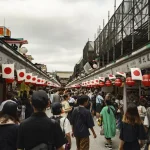
📷 Featured image by Manuel Cosentino on Unsplash.